Cassina iMaestri, the house that re-editions the modernist masters
How the Italian house turned authorized re-editions of Le Corbusier, Perriand and Rietveld into a living archive of modern design.
Founded in 1927 in Meda by the brothers Cesare and Umberto Cassina, Cassina began as a woodworking workshop. Its place in design history, though, rests less on what it invented than on what it chose to keep alive: the landmark furniture of the twentieth century, produced under license and made to last.
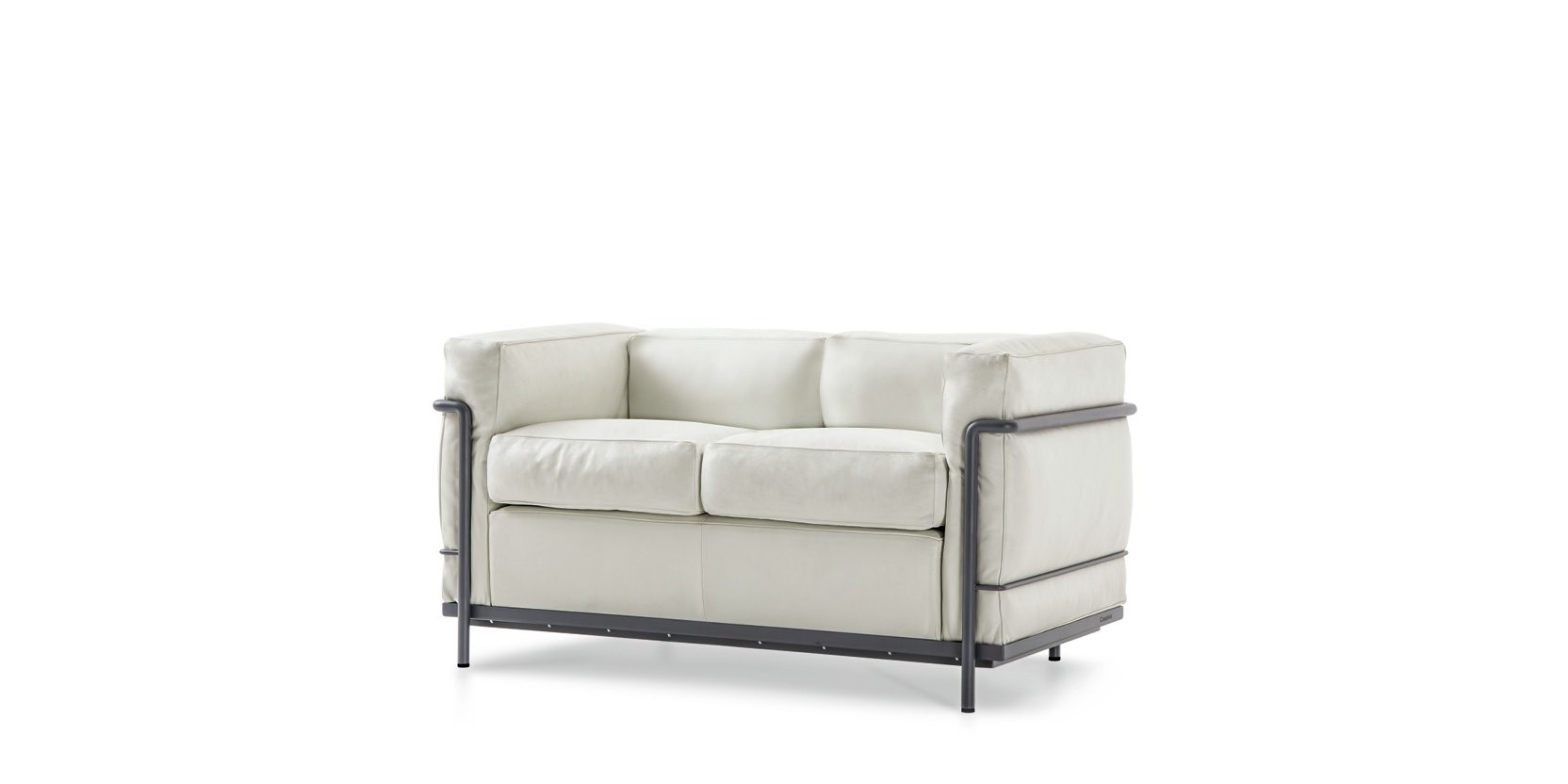
The turning point came in 1964, when, with Le Corbusier still living, Cassina signed the first agreement for the exclusive manufacture of furniture by Le Corbusier, Pierre Jeanneret and Charlotte Perriand. The first models, LC1, LC2, LC3 and LC4, went into production in September 1965. The tubular-steel LC2 armchair had been designed in 1928 and shown at the Salon d'Automne in Paris in 1929; the LC4 chaise longue, the reclining lounger that became shorthand for the machine age, joined the same series.
The radical move was not to design something new, but to keep the old designs honest, with the archives, the dates and the authorship intact.
From license to living archive
From 1973 Cassina formalized this work into the collection now called Cassina iMaestri, a method of reissuing classic designs while preserving their authenticity and authorship. Over the decades it grew to include Gerrit Thomas Rietveld, whose 1935 Utrecht armchair and 1918 Red and Blue chair it produces, alongside Charles Rennie Mackintosh, Erik Gunnar Asplund, Franco Albini, Marco Zanuso, Ico Parisi and Giacomo Balla. Each piece is made to the original drawings, with updated techniques where the design allows but the intent left unchanged.
In 2023, marking fifty years of the collection, Cassina expanded iMaestri to welcome a further generation of authors, including Vico Magistretti, Gio Ponti and Carlo Scarpa. For the American buyer the appeal is plain: a Cassina iMaestri piece is not a copy or a tribute but the authorized edition, signed and traceable to its maker. For the house and its current collections, see the full Cassina profile.