Florian Schulz
German brass lighting from Ludwigsburg, built on a metal sculptor's craft and the counterbalance pendant, read for the US buyer.
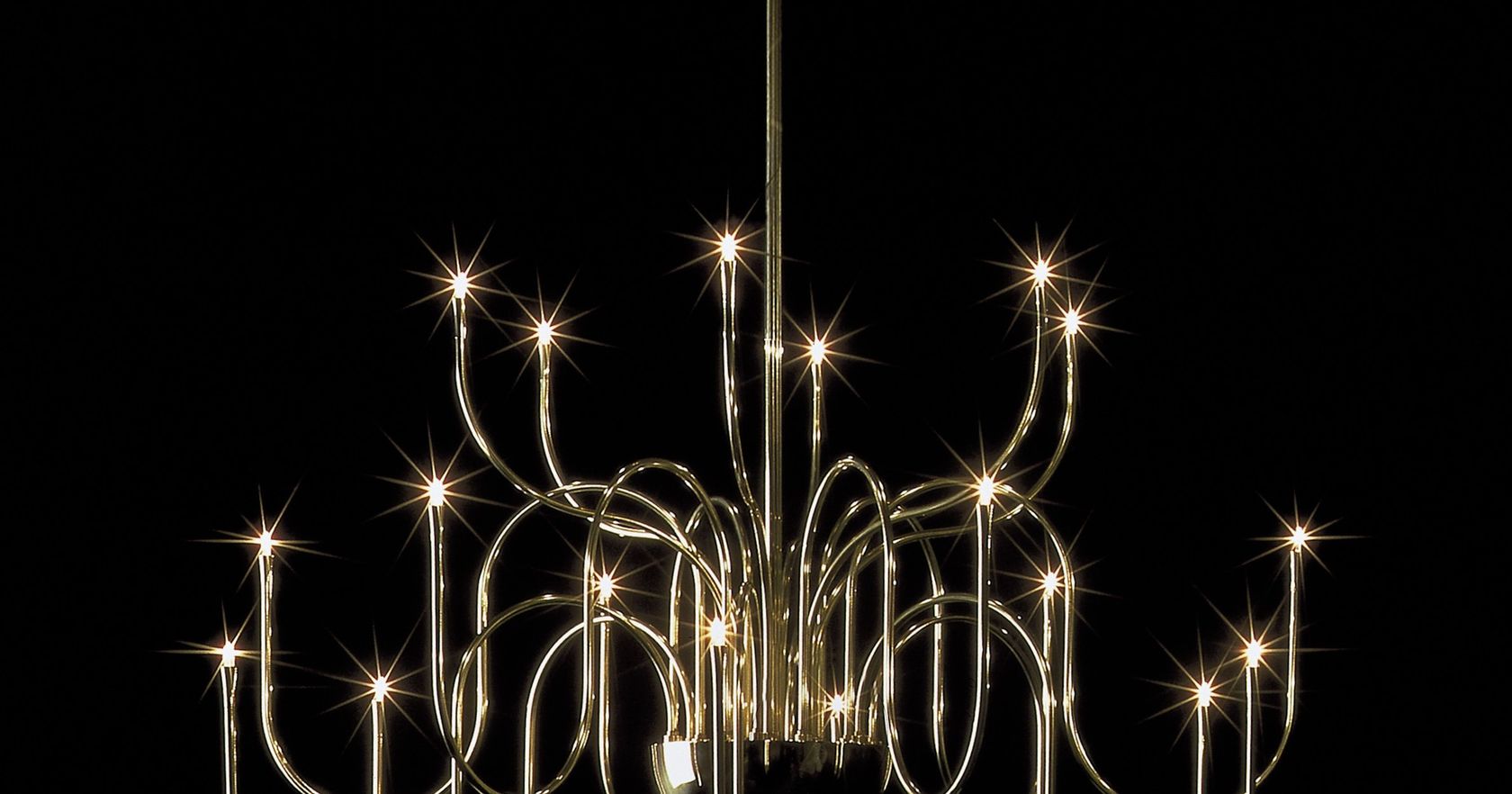
A brass lighting house built on counterweights.
Florian Schulz is a German lighting maker based in Ludwigsburg, with metalworking roots in a family workshop that reach back to 1953. Florian Schulz himself, trained as a metal sculptor in his parents' workshop, took over the manufactory in 1973 and turned it toward residential lighting cast and spun from solid brass, produced in series by a small team of craftsmen.
The house is best known for its height-adjustable counterbalance pendants, the Onos and Posa lines, where a brass counterweight lets the shade be raised or lowered by hand. After Florian Schulz died in 2019, the collection passed to the firm's longtime technical manager, Jens Schump, who now produces and sells it under the name VS Manufaktur. For US buyers, pieces reach the market through specialist dealers, with lead times that vary by model and finish.
A selection of lines.
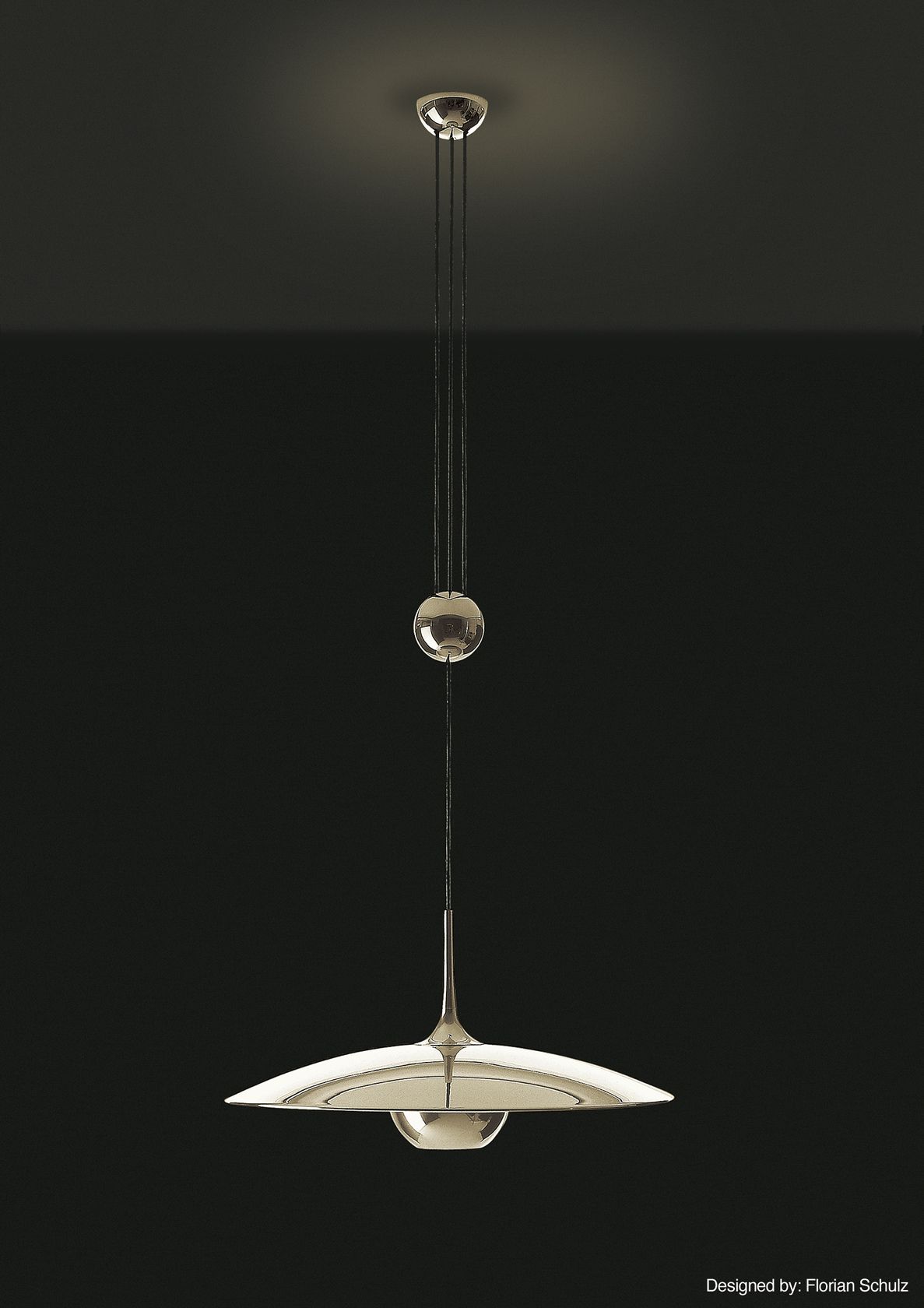
Onos
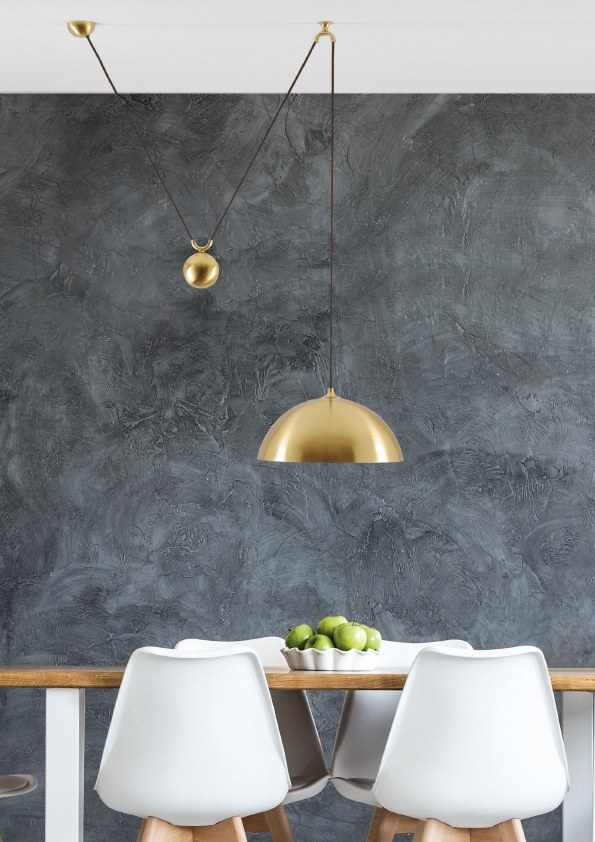
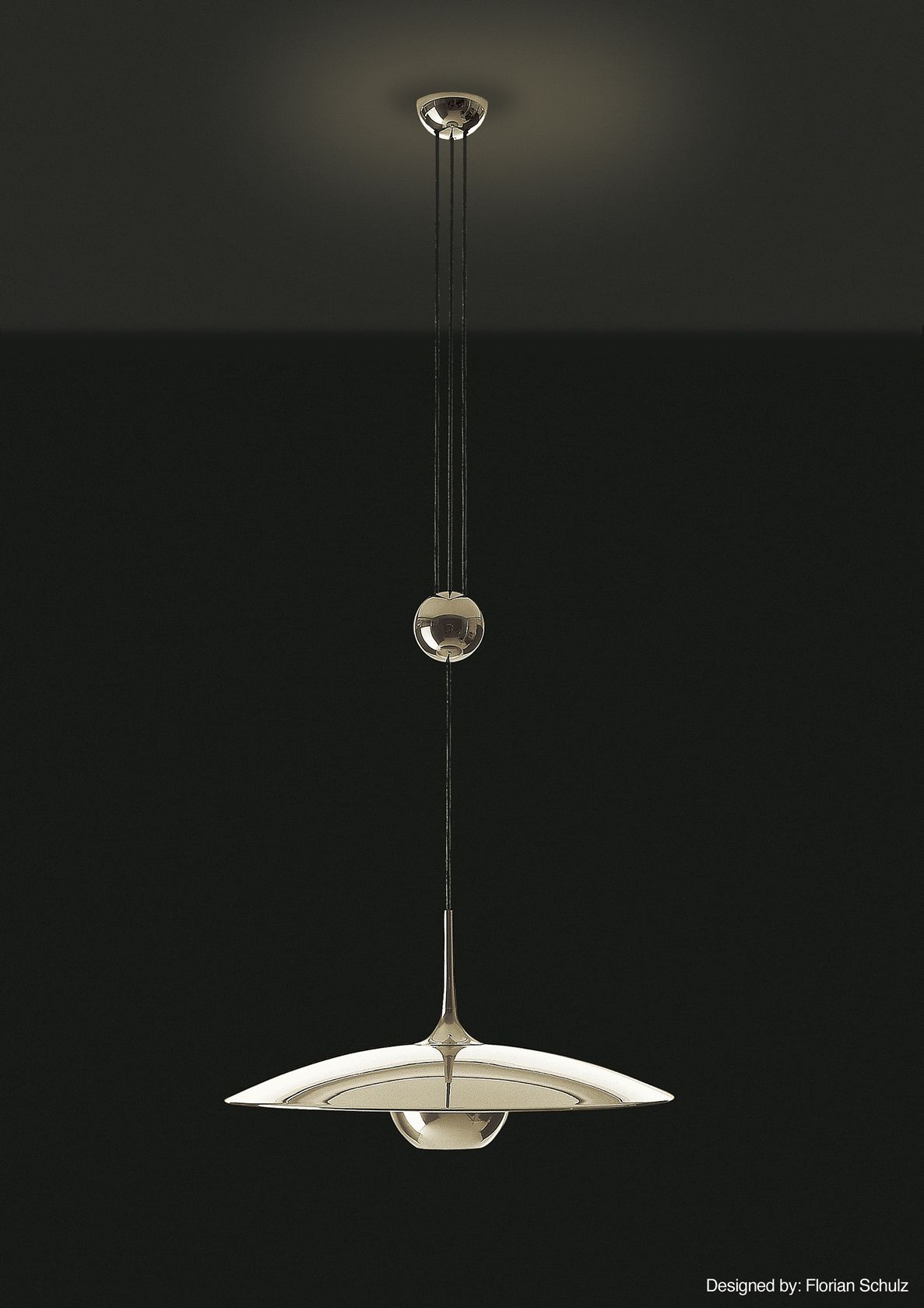
The signature counterbalance pendant, a spun brass disc shade balanced by a solid brass counterweight, offered with shade diameters of 40 and 55 cm.
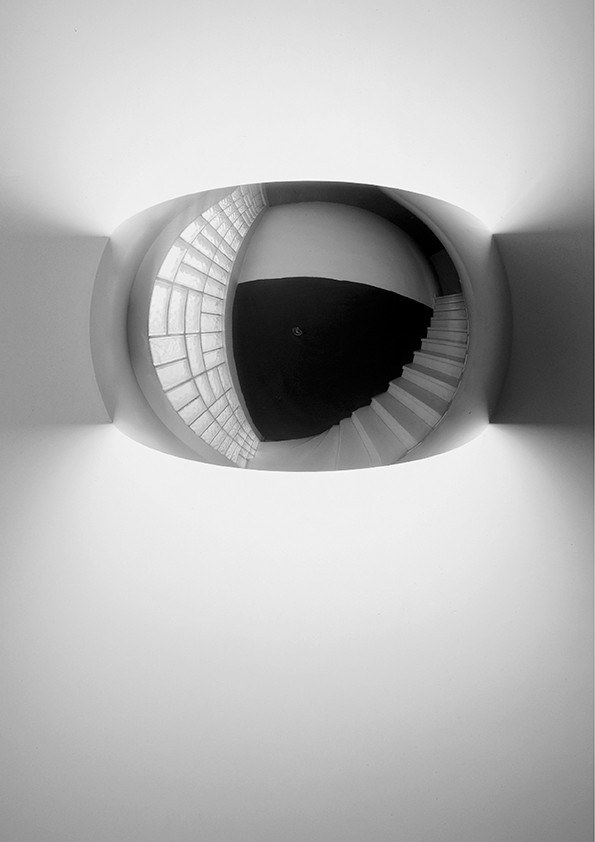
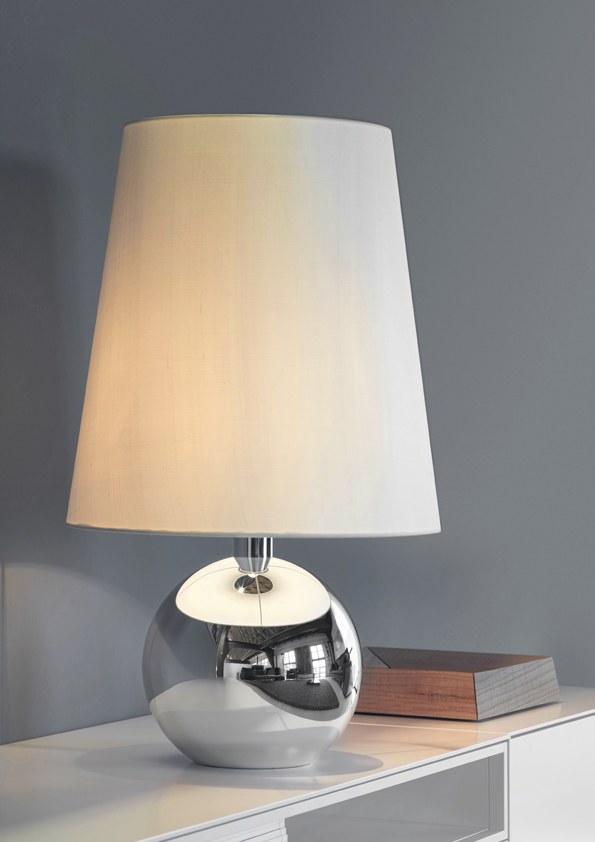
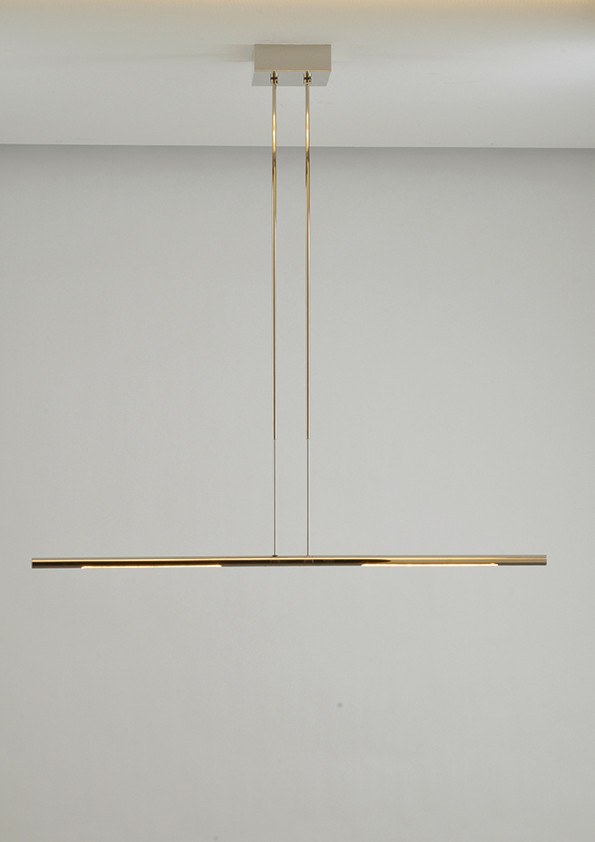
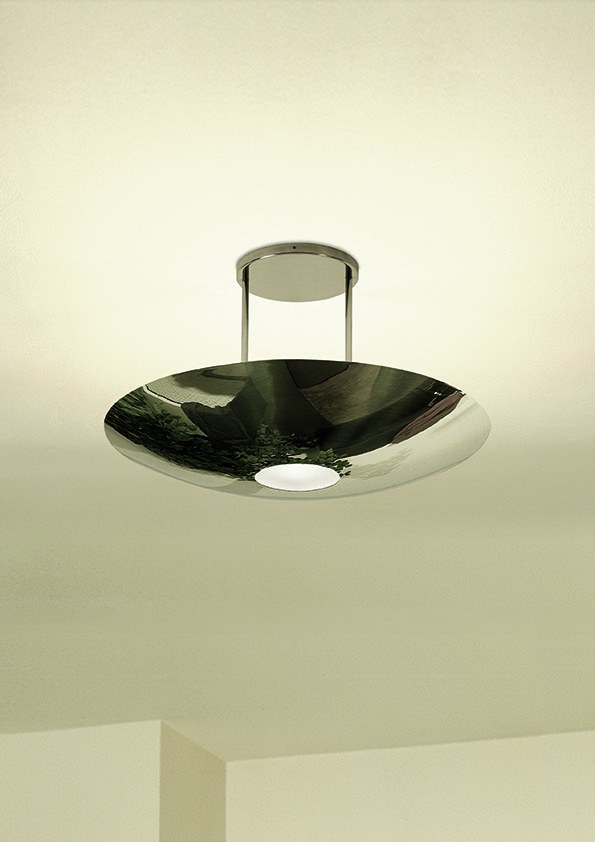
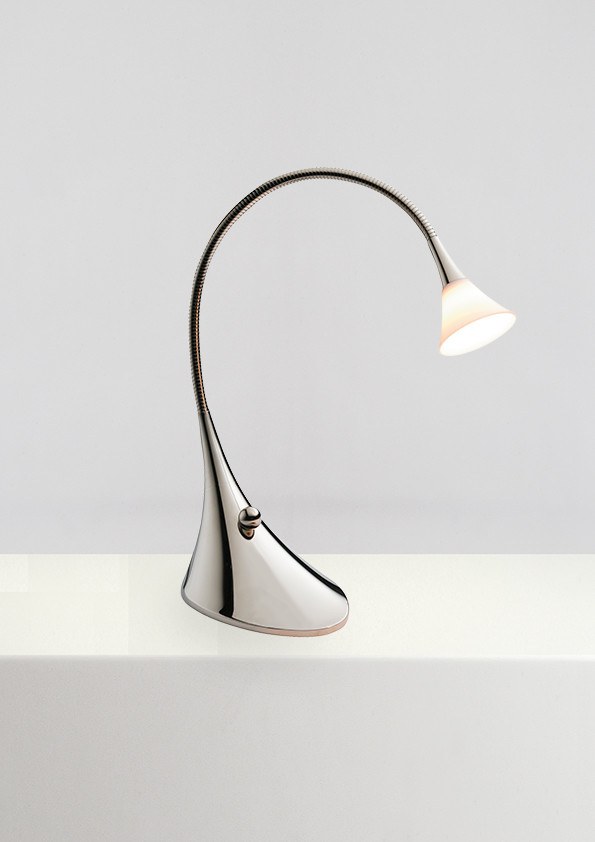
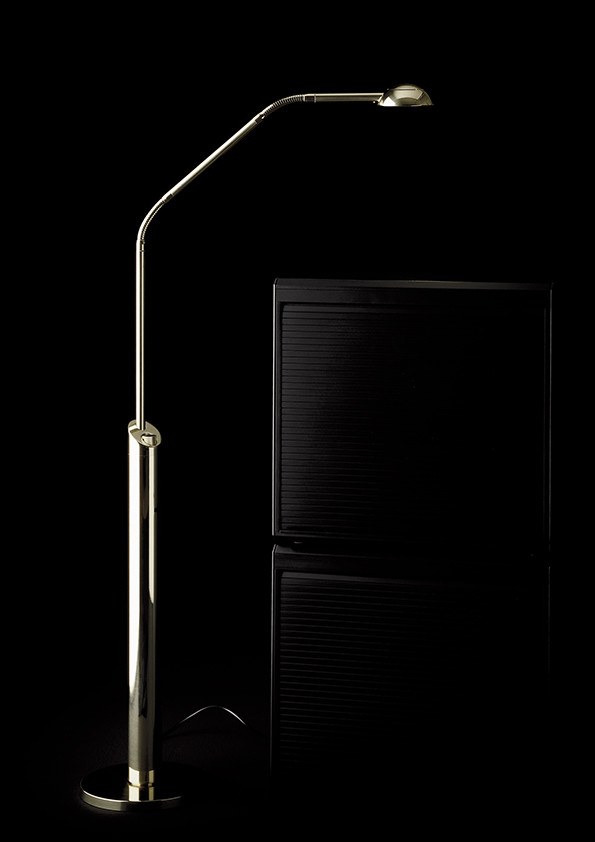
The current collection.
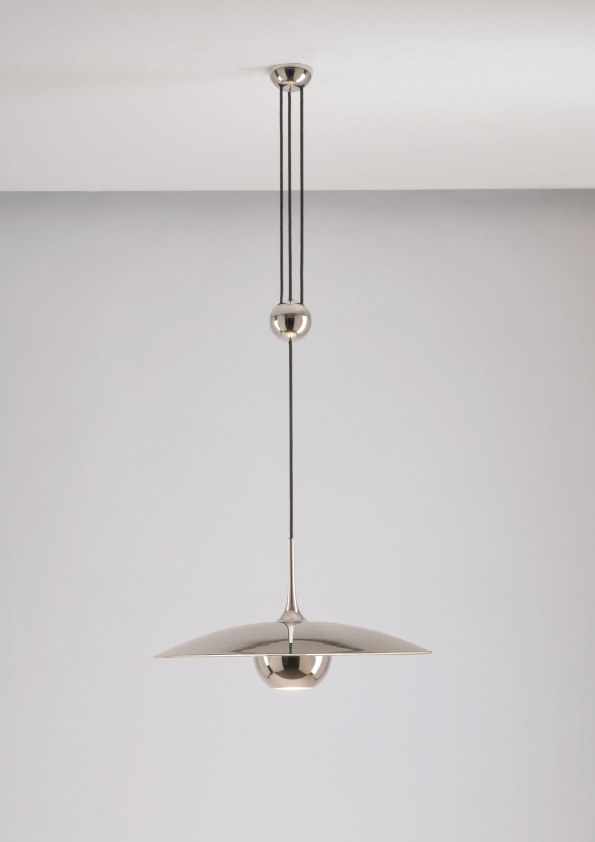
Onos
Height-adjustable counterweight pull pendant balanced by a polished sphere, with a metal shade and integrated metal light diffuser. Offered in solid brass surfaces; the family includes Onos 40 and Onos 55 (shade diameter 55 cm).
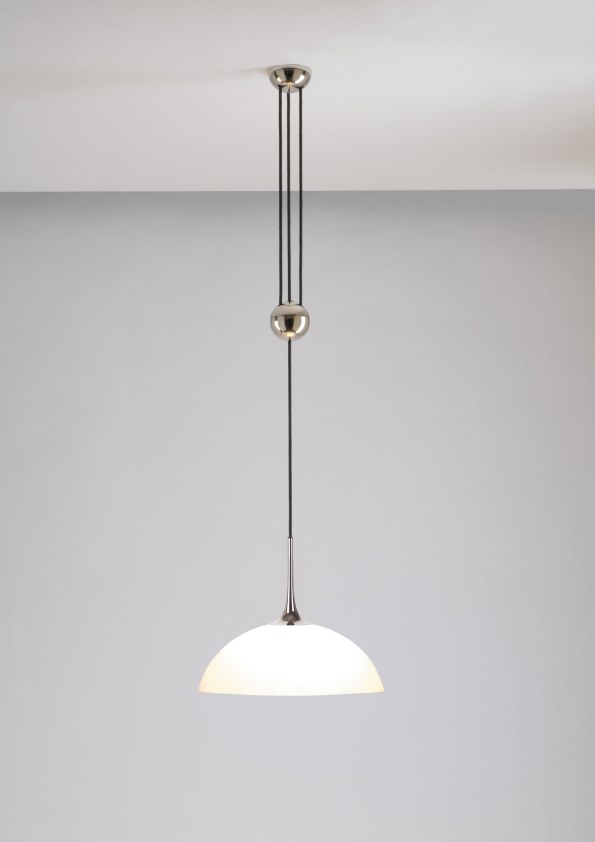
Posa
Adjustable counterweight pull pendant with a white-opal glass shade (diameter 36 cm), raised and lowered by a side weight. Made in solid brass with a black textile cable, optionally brown, gold, or silver.
Mesa
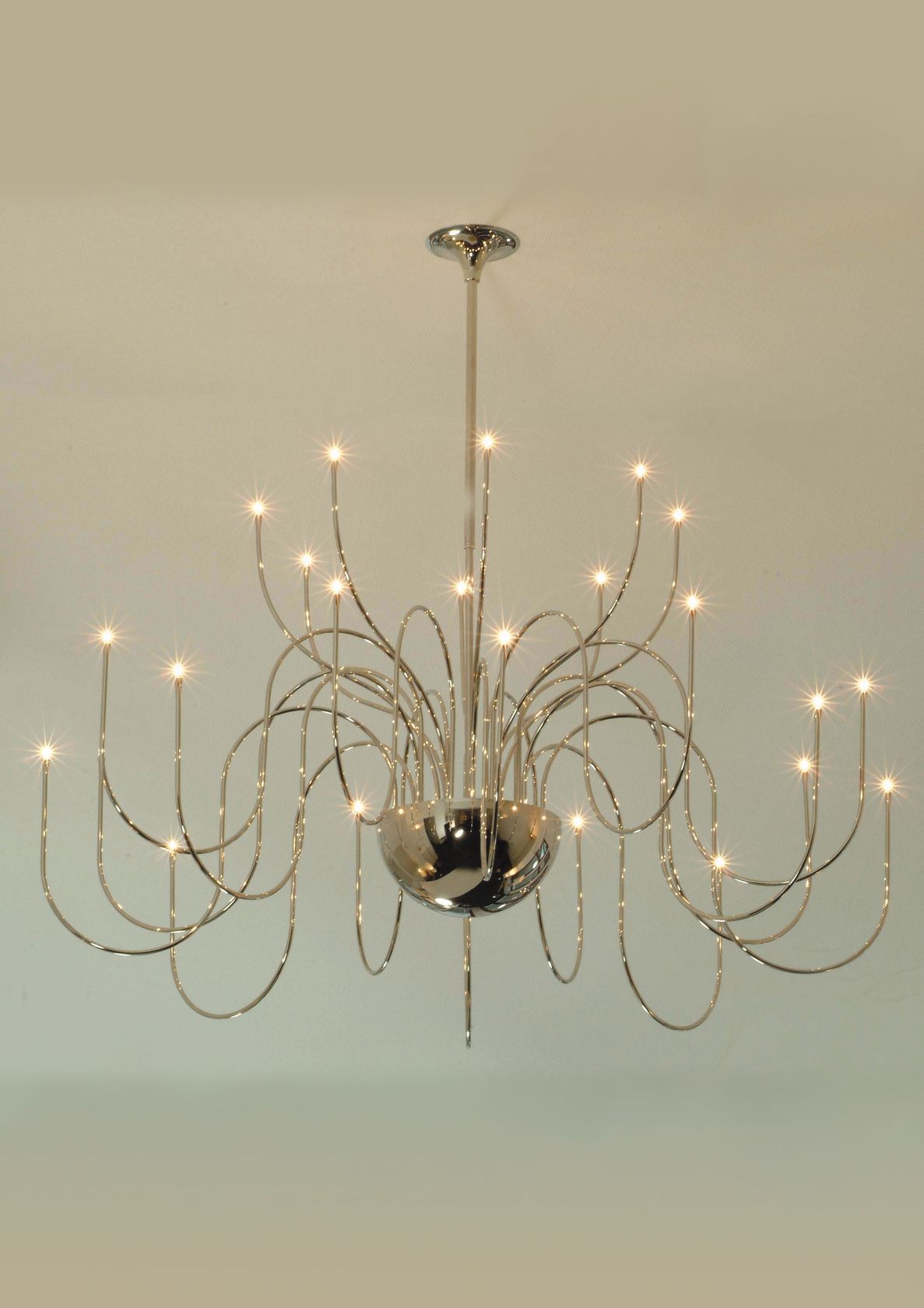
Chandelier built from removable metal arms fitted with G4 lampholders, with adjustable total height. Made in two sizes, Mesa 18 and Mesa 24 (24 arms, diameter 140 cm).
Tes
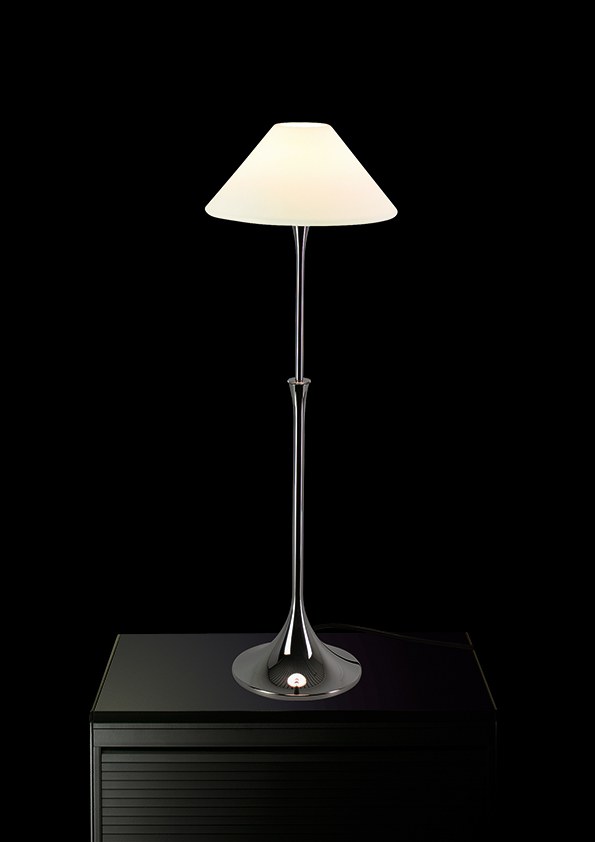
Table lamp adjustable in height from 40 to 60 cm, with a white TEFLON shade (diameter 18 cm) and a low-voltage GY6.35 lampholder. Dimmable via a cord dimmer.
Erea
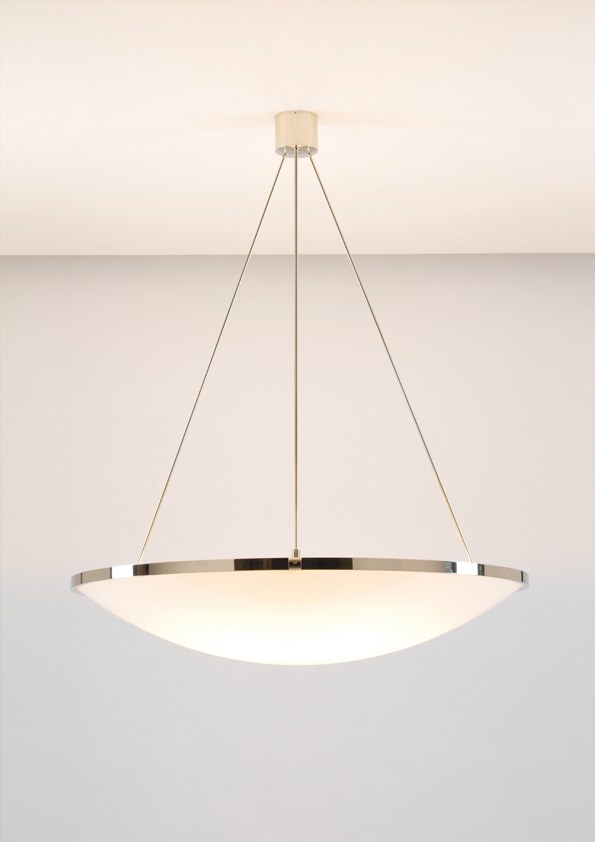
Suspended ceiling lamp with a white-opal glass shade and six E27 lampholders, with standard suspension height of 100 cm. Made as Erea 55 and Erea 80 (shade diameter 80 cm).
Taos
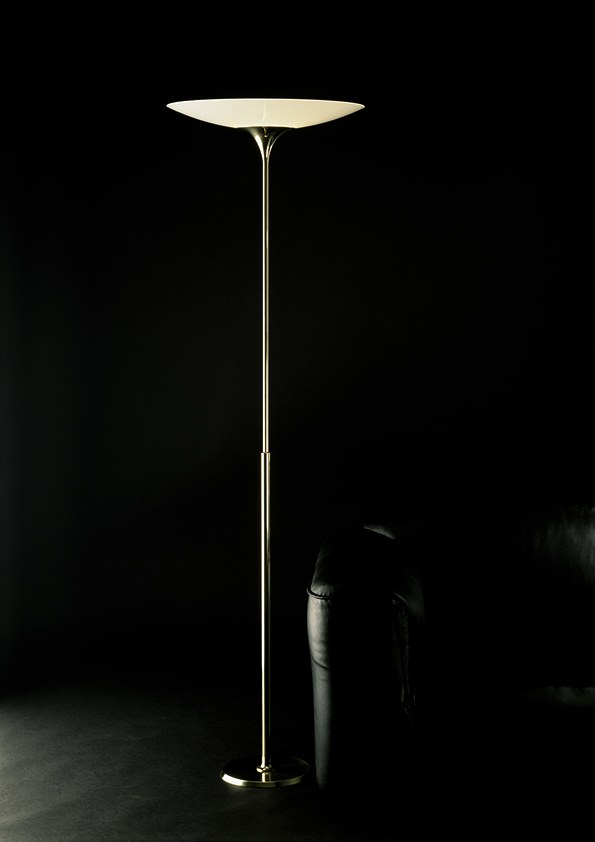
Uplighter floor lamp with a white-opal glass shade, adjustable in height from 160 to 210 cm, using an E26/E27 lampholder and a cord dimmer. Made as Taos 40 and Taos 55, plus a Taos SD variant.
Beo
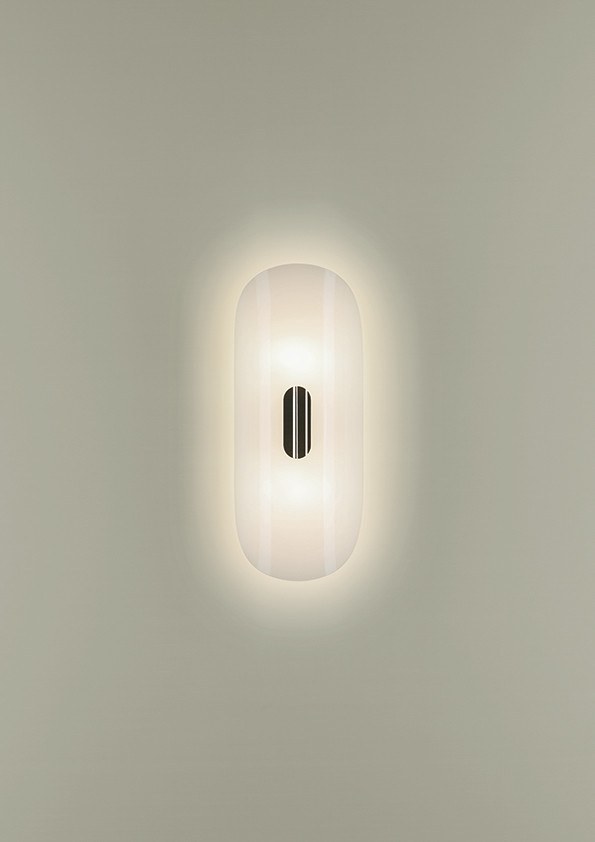
Wall and stairway lamp giving direct and indirect light through glass diffusers at top and bottom, with two E27 lampholders. Width 36 cm.
Duos
Adjustable counterweight pull pendant with a metal shade (diameter 36 cm) and side counterweight. Available in numerous solid brass surfaces including polished, nickel-plated, chrome-plated, copper-plated, and bronzed finishes.
Gea
Wall lamp with a white-opal glass shade (height 43 cm) and two E27 lampholders. Mounted on a rectangular backplate, with an optional DALI module available.
Inas
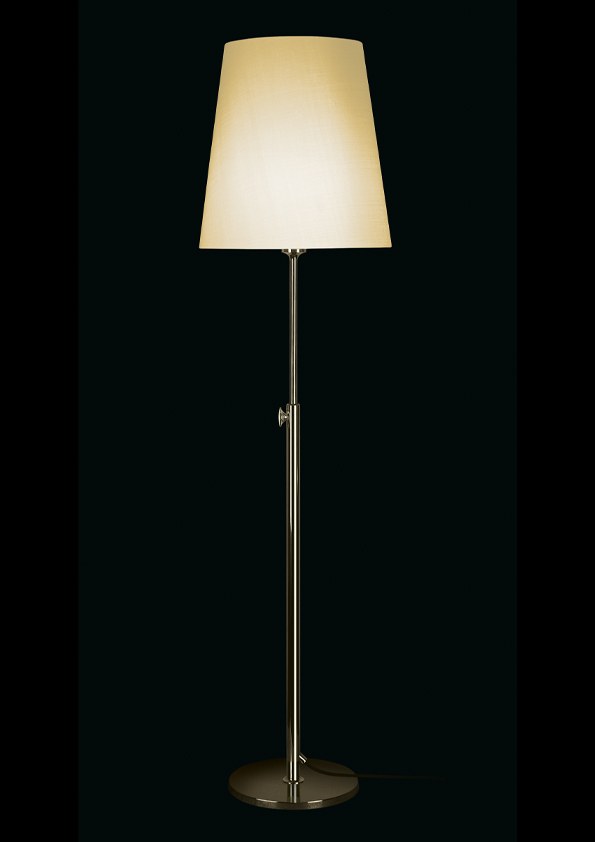
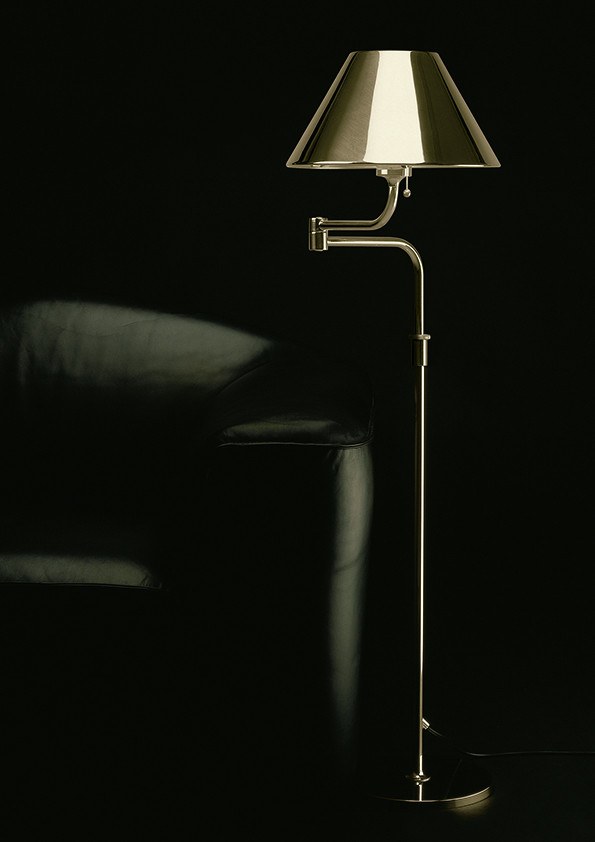
Floor reading lamp adjustable in height from 132 to 170 cm, with a silk shade offered in conical or straight form and an E27 lampholder. Also available as Inas SD.
Lesan
Floor reading lamp adjustable in height from 90 to 135 cm, with a metal shade (diameter 28 cm) and an E27 lampholder. Offered as Lesan M and Lesan S.
Lonea
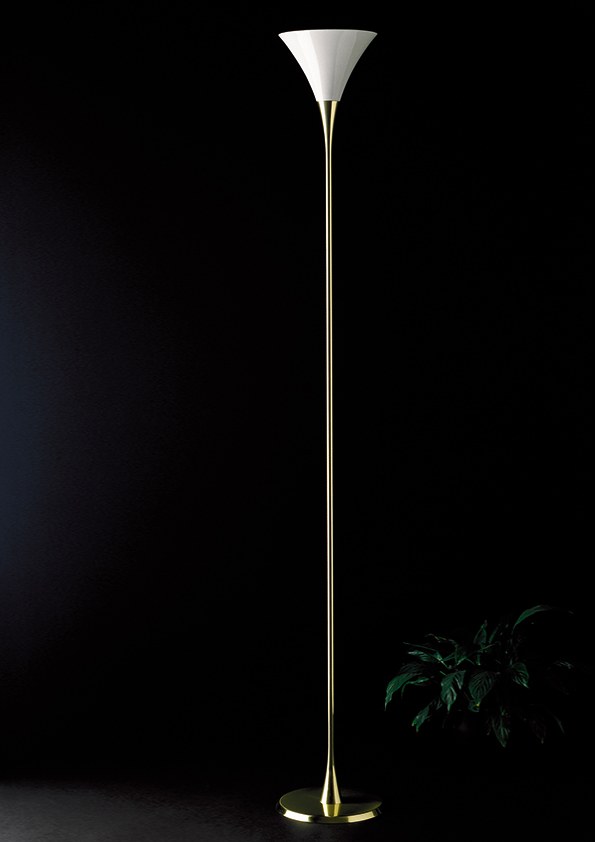
Floor lamp 180 cm tall with a white-opal glass shade (diameter 23 cm) on a brass stem, using an E27 lampholder. Also offered as Lonea SD with a cord dimmer.
Myos
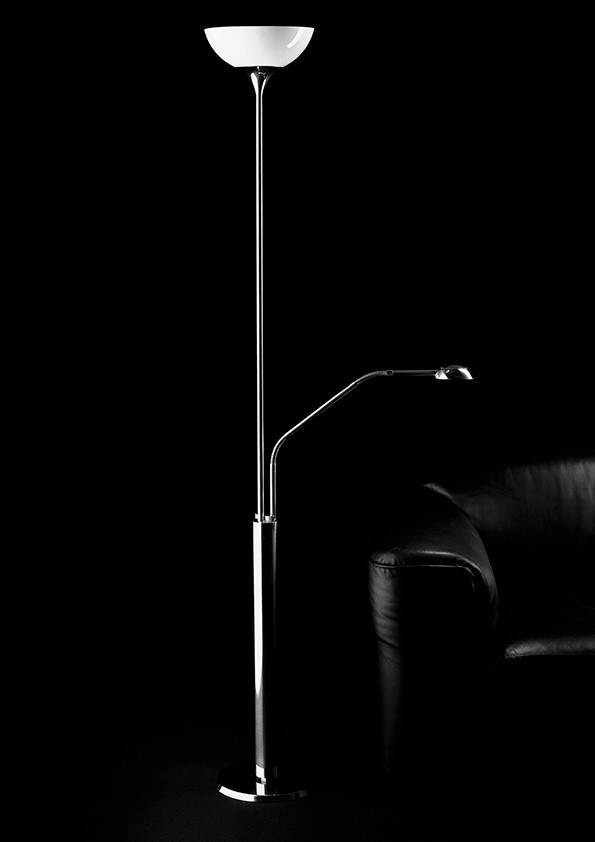
Floor lamp combining an upward white-opal glass shade (diameter 26 cm) with a separate metal reading-lamp shade (diameter 12 cm), 182 cm tall. Also available as Myos T.
Ola
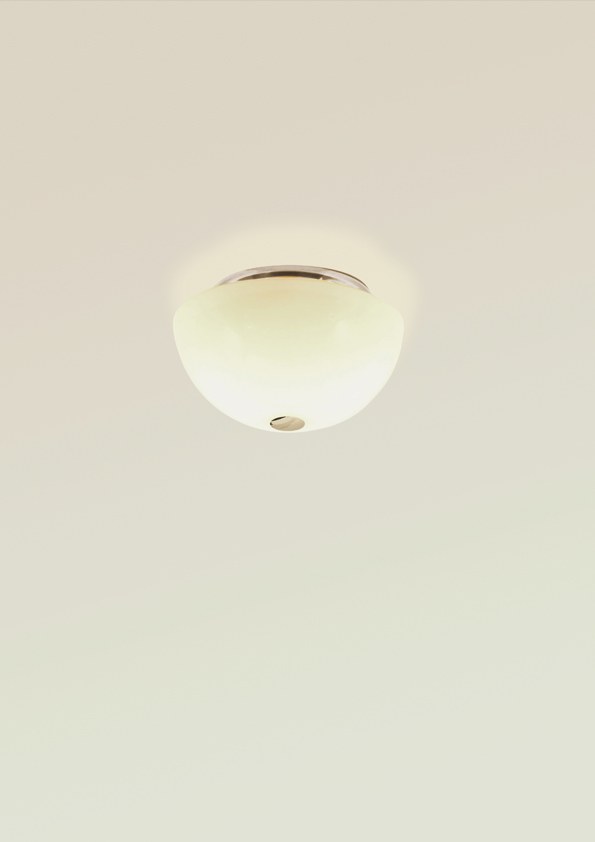
Flush ceiling lamp with a white-opal glass shade, made as Ola 25 and Ola 36 (diameter 36 cm). The larger version uses three E27 lampholders.
Ora
Table lamp with a silk shade on a brass body, using an E27 lampholder. Supplied with a dimmable LED bulb and a cord dimmer.
Pen
Height-adjustable linear pendant in brass whose two light elements can each be rotated 360 degrees. The family includes Pen 100, Pen 121, and Pen 142, named for their lengths in centimeters.
Sola
Ceiling lamp giving direct and indirect light, with a metal shade (diameter 80 cm) and a bottom glass diffuser, adjustable in height from 36 to 65 cm. Uses an R7s lampholder.
Toa
Table lamp with a flexible, specially reinforced metal arm and a small white TEFLON shade (diameter 7 cm), using a low-voltage GY6.35 lampholder. Dimmable.
Yon
Floor reading lamp with a rotatable metal shade (diameter 12 cm) on a brass stem, using a low-voltage GY6.35 lampholder. The family includes Yon, Yon G, and a Yon T table version.
Onos
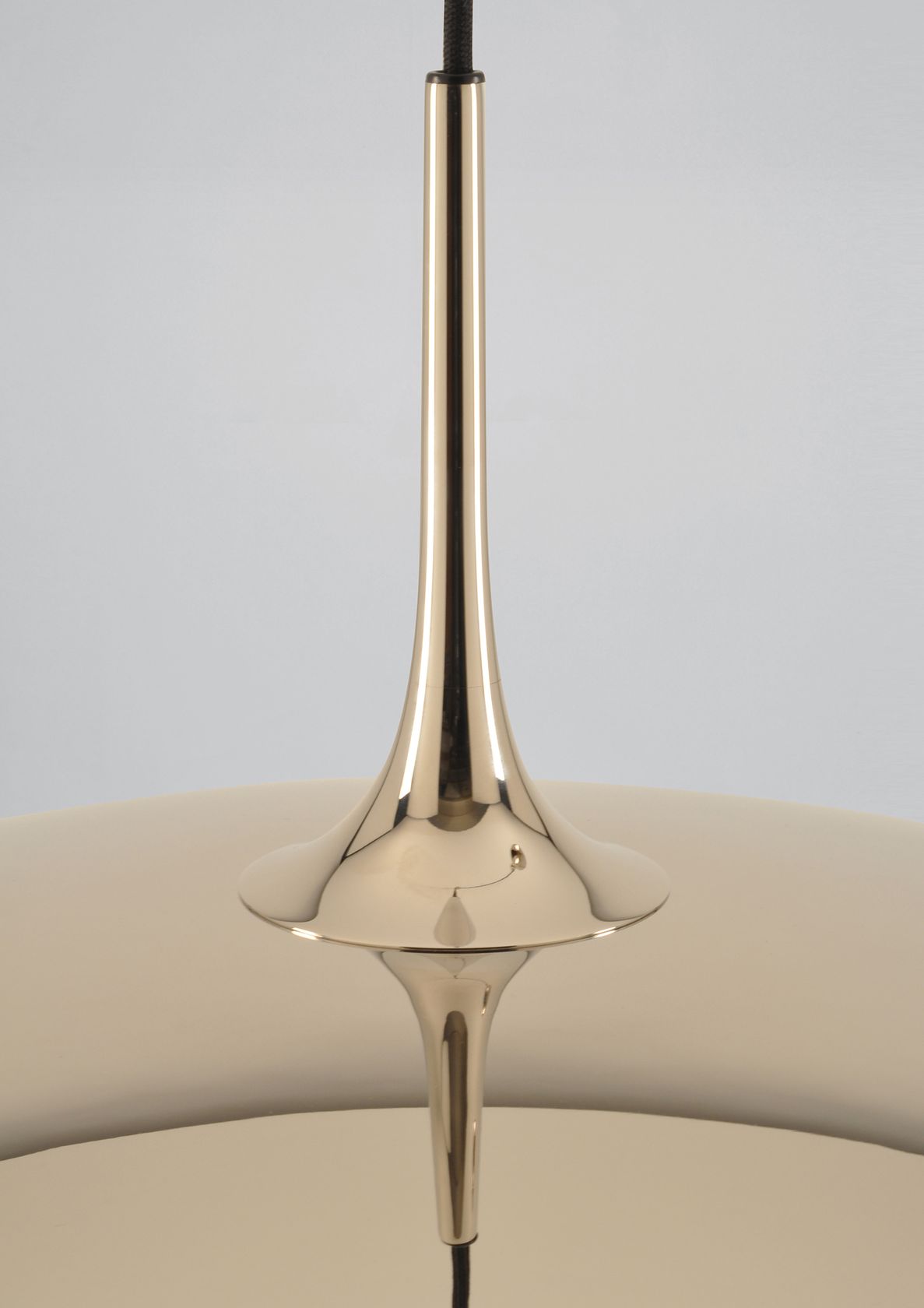
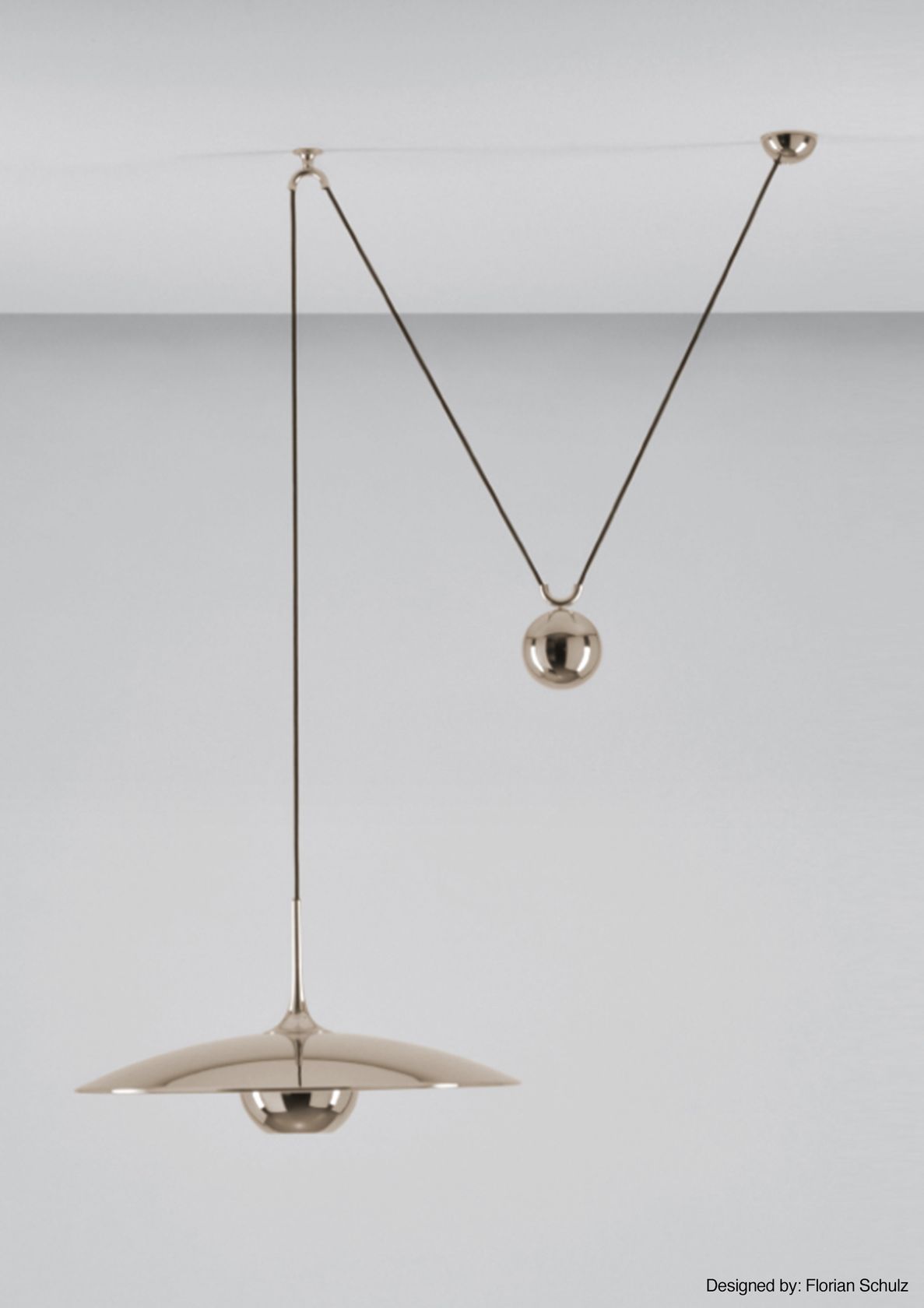
Designed by Florian SchulzOnos is the design that defines the house, a height-adjustable counterbalance pendant by Florian Schulz. A spun brass disc shade hangs from a cord, balanced by a polished brass sphere that runs over a roller at the ceiling; a single hand movement raises or lowers the light, and it stays where it is left.
The pendant is offered in two shade diameters, 40 and 55 cm, and across the house surfaces, from polished and brushed brass to nickel and chrome plating. The same counterweight principle carries through the catalogue, with related single, side pull and double pull layouts for different ceilings.
What the pieces are made of.
Across its work Florian Schulz builds in solid brass, cast, spun and hand-finished, with opal-white glass shades on the Posa line. Surfaces run from polished and brushed brass to nickel-plated and chrome-plated finishes, lacquered to hold their tone. The brass counterweight is not a flourish but the working mechanism, the part that lets a pendant be set to any height.
On every brand page these details stay factual and sourced. Collection names, designers and materials are checked against the maker before they go live.
Florian Schulz, answered.
Where is Florian Schulz made?
Florian Schulz lighting is made in Ludwigsburg, Germany, where the family manufactory has long produced its brass fixtures. The collection is now produced and sold there under the name VS Manufaktur.
When was Florian Schulz founded?
The family metalworking workshop traces its roots to 1953. Florian Schulz, trained as a metal sculptor, took over the manufactory in 1973 and turned it toward brass residential lighting.
Who was Florian Schulz?
Florian Schulz (1946 to 2019) was a German metal sculptor and lighting designer who led the family manufactory in Ludwigsburg and created its best-known pieces, including the Onos and Posa pendants.
What is the Onos pendant?
Onos is the house signature, a height-adjustable counterbalance pendant with a spun brass disc shade balanced by a brass counterweight. It is offered with shade diameters of 40 and 55 cm.
How does the counterbalance pendant work?
A solid brass counterweight runs over a roller at the ceiling and balances the shade. A single hand movement raises or lowers the light, and it holds its position once set.
Onos or Posa, what is the difference?
Both are counterbalance pendants. Onos uses a spun brass disc shade in 40 and 55 cm sizes; Posa uses an opal-white glass shade in 24 and 36 cm sizes and comes in single, side pull and double pull versions.
What materials does Florian Schulz use?
Solid brass is the core material, cast, spun and hand-finished, with opal-white glass shades on the Posa line. The brass is offered in polished, brushed, nickel-plated and chrome-plated finishes.
What finishes are available?
Surfaces range from polished and brushed brass to nickel-plated and chrome-plated brass, each lacquered to protect the finish.
Is Florian Schulz still in production?
Yes. After Florian Schulz died in 2019, the longtime technical manager Jens Schump took over the collection. It is produced and sold today under the name VS Manufaktur in Ludwigsburg.
Is Florian Schulz available in the US?
Yes. Pieces reach the US market through specialist lighting dealers; lead times vary by model and finish.
What is Florian Schulz's design style?
A quiet, sculptural take on functional lighting in brass, where the mechanism is part of the form. The counterbalance pendant is the clearest expression of that approach.
Can I buy from this site?
No. Premium Furniture is an independent editorial directory. We document the house and point you to the maker.