Riva 1920
Italian solid-wood furniture from a four-generation Cantù workshop, built around reclaimed and ancient timbers, read for the US buyer.
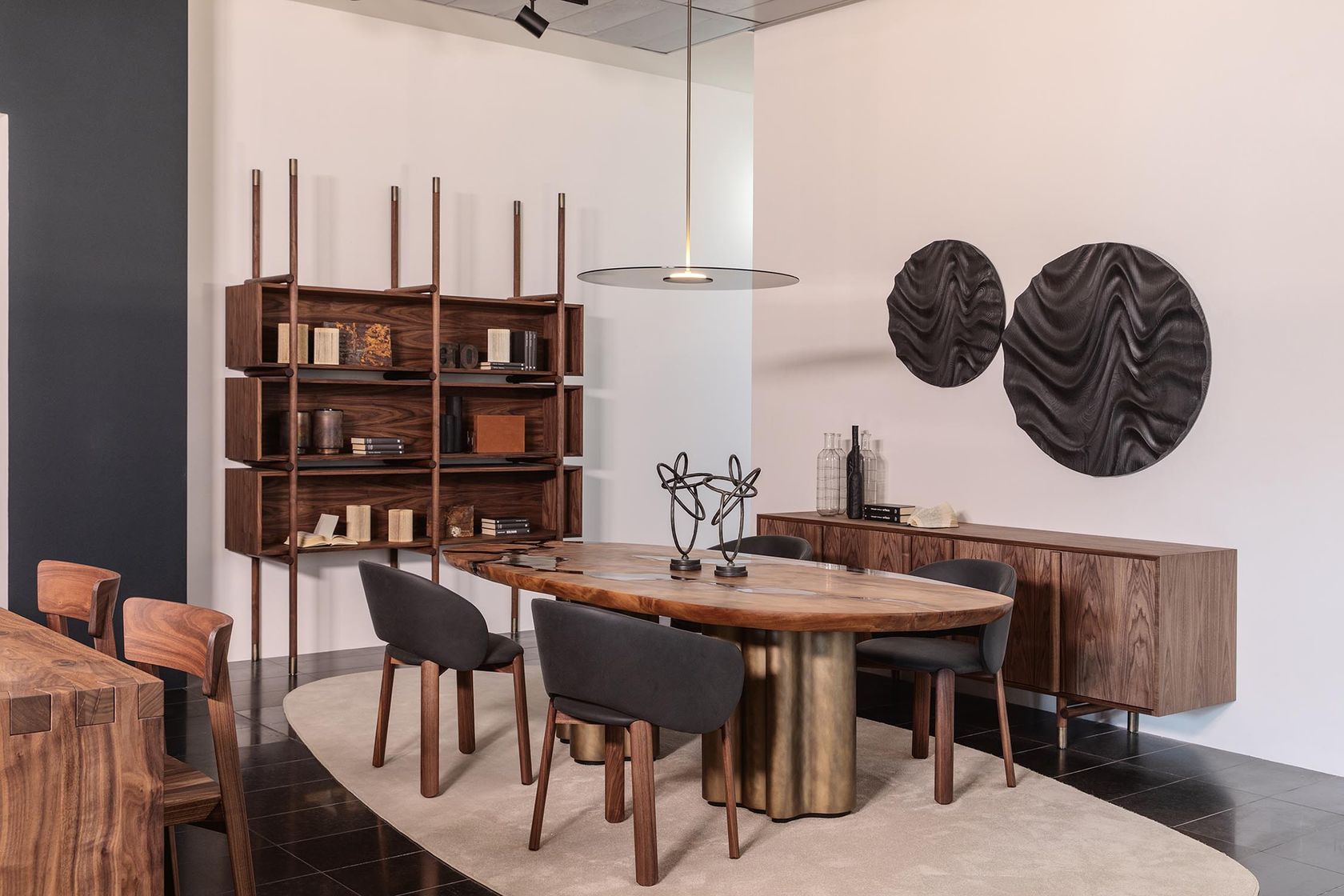
A solid-wood house from the heart of Brianza.
Riva 1920 traces its roots to 1920, when Nino Romano opened a small artisan workshop in Cantù, in the Brianza furniture district north of Milan. The activity passed to Mario Riva in the mid-1940s, and brothers Maurizio and Davide Riva took it up as carpenters in the late 1970s, shifting the house toward solid wood finished with natural waxes and oils. It is now run by the fourth generation, with Maurizio Riva alongside his daughters Monica and Elena.
Since the 1990s the house has worked with a long list of architects and designers, among them Renzo Piano, Michele De Lucchi, Mario Botta, Philippe Starck, Piero Lissoni, Mario Bellini, Marc Sadler and Terry Dwan. For US buyers, collections reach the market through authorised dealers, with lead times that vary by piece, timber and finish.
A selection of lines.
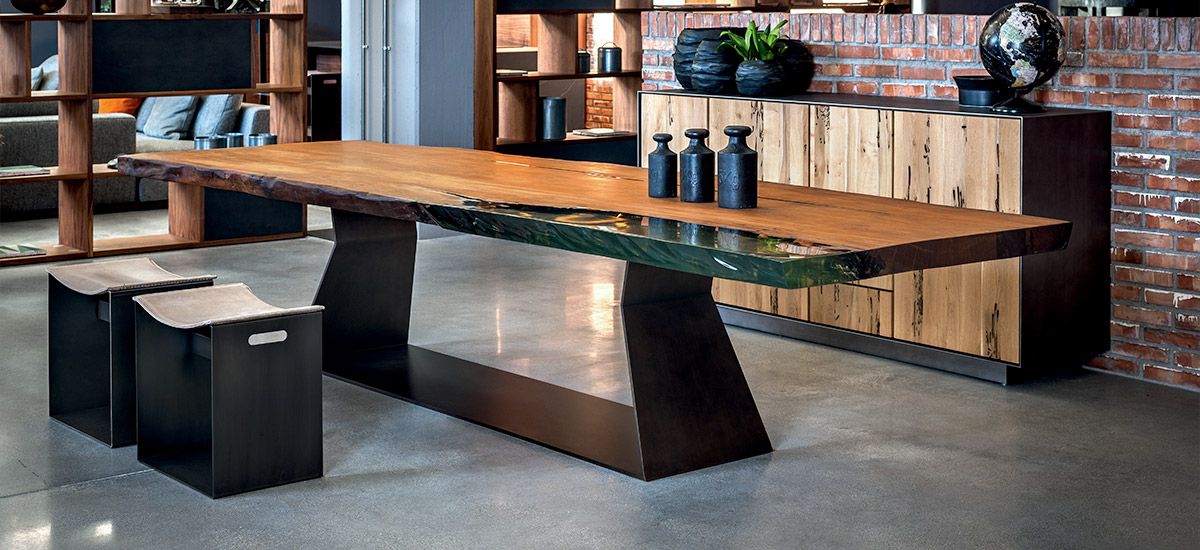
Kauri
Tables made from millennia-old Kauri wood recovered from New Zealand, each slab unique, with pieces drawn by Renzo and Matteo Piano, Terry Dwan and others.
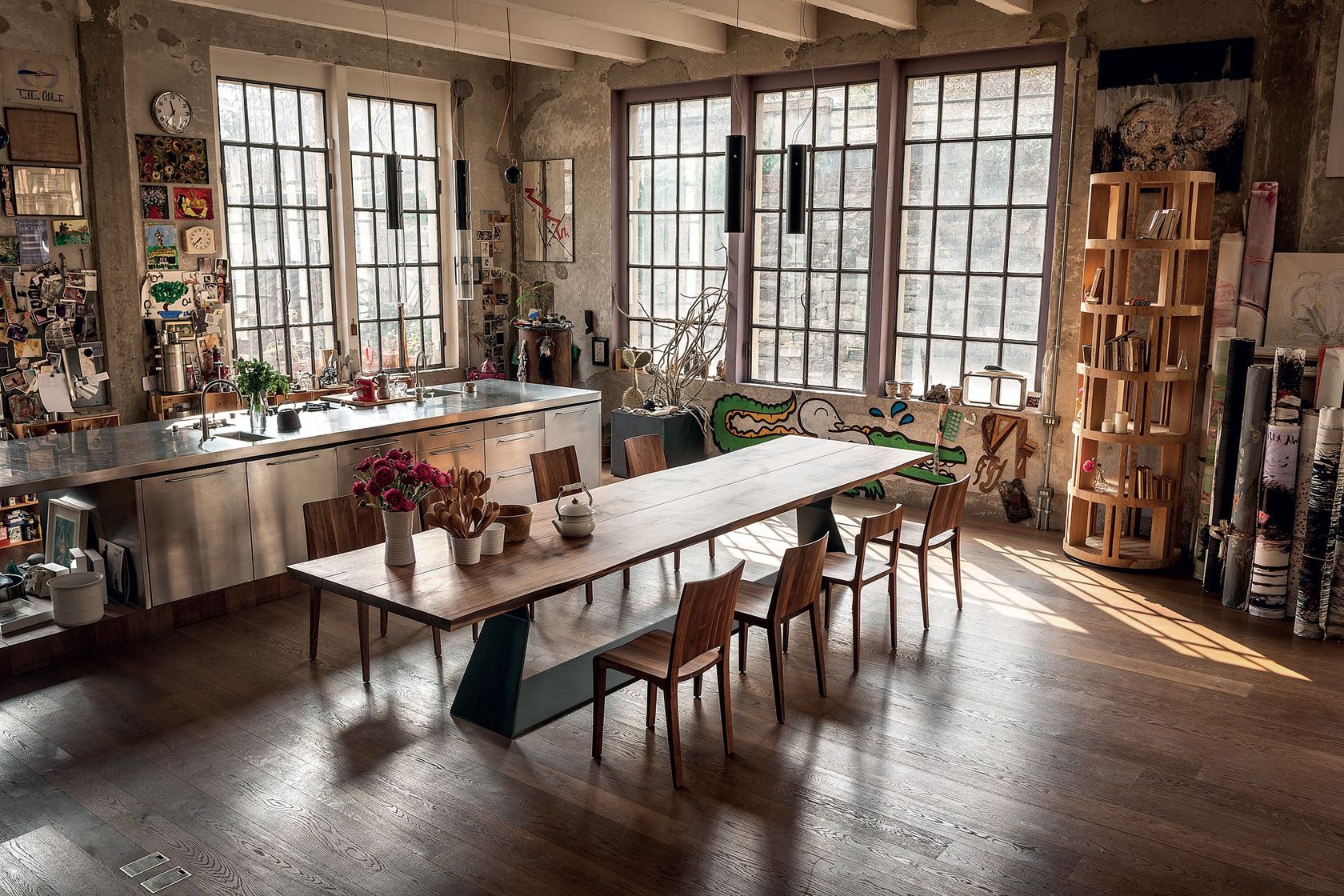
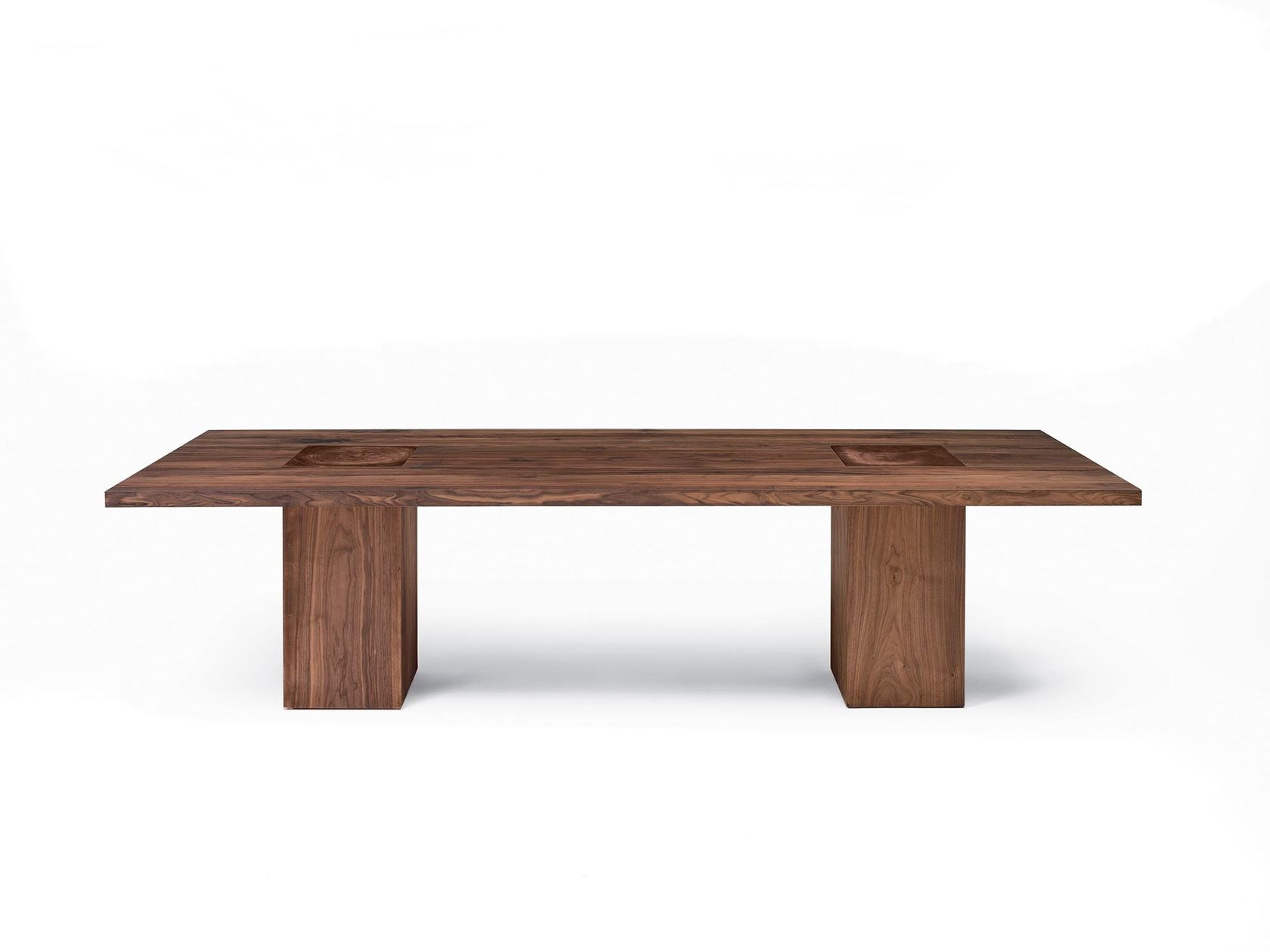
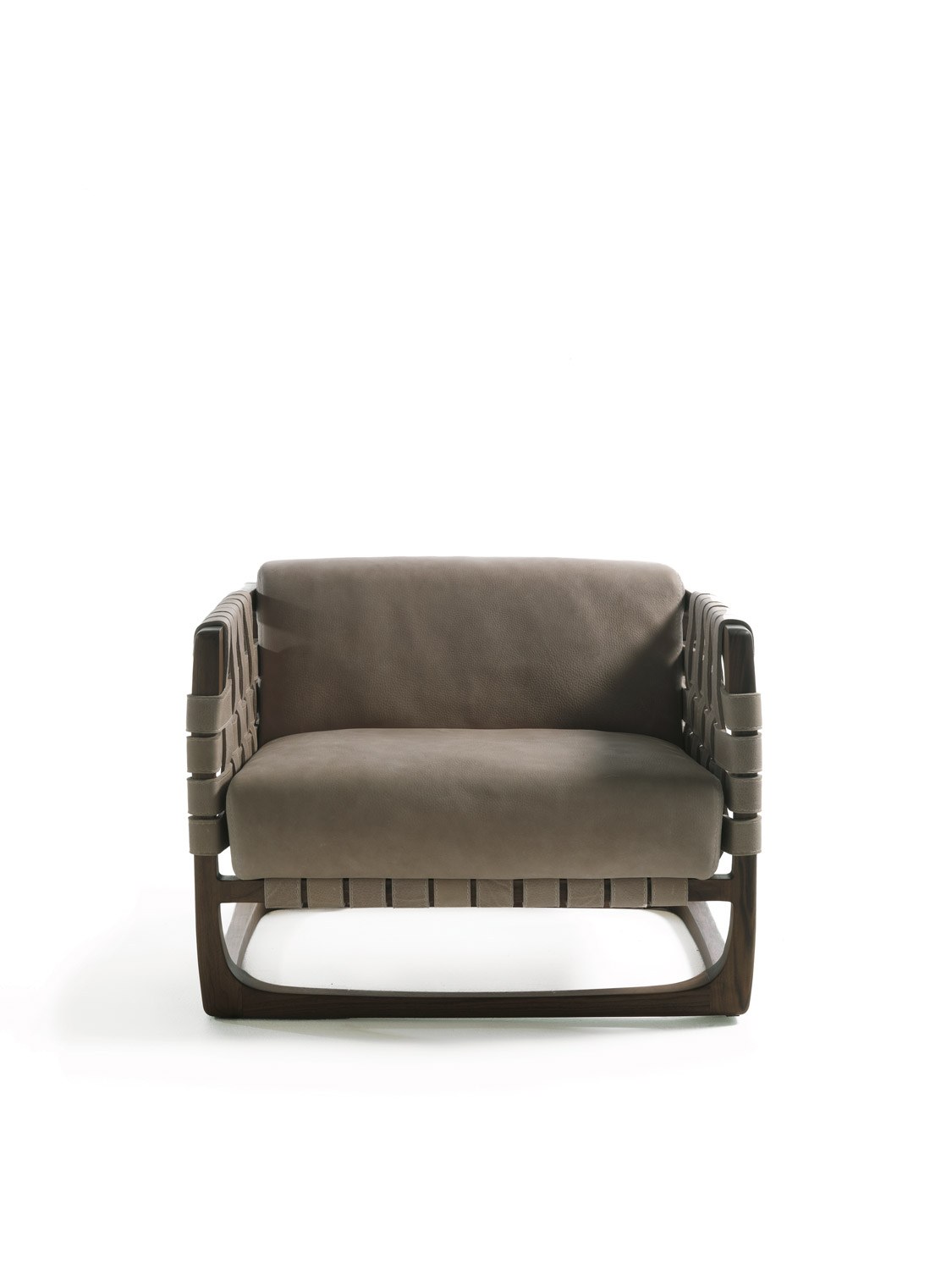
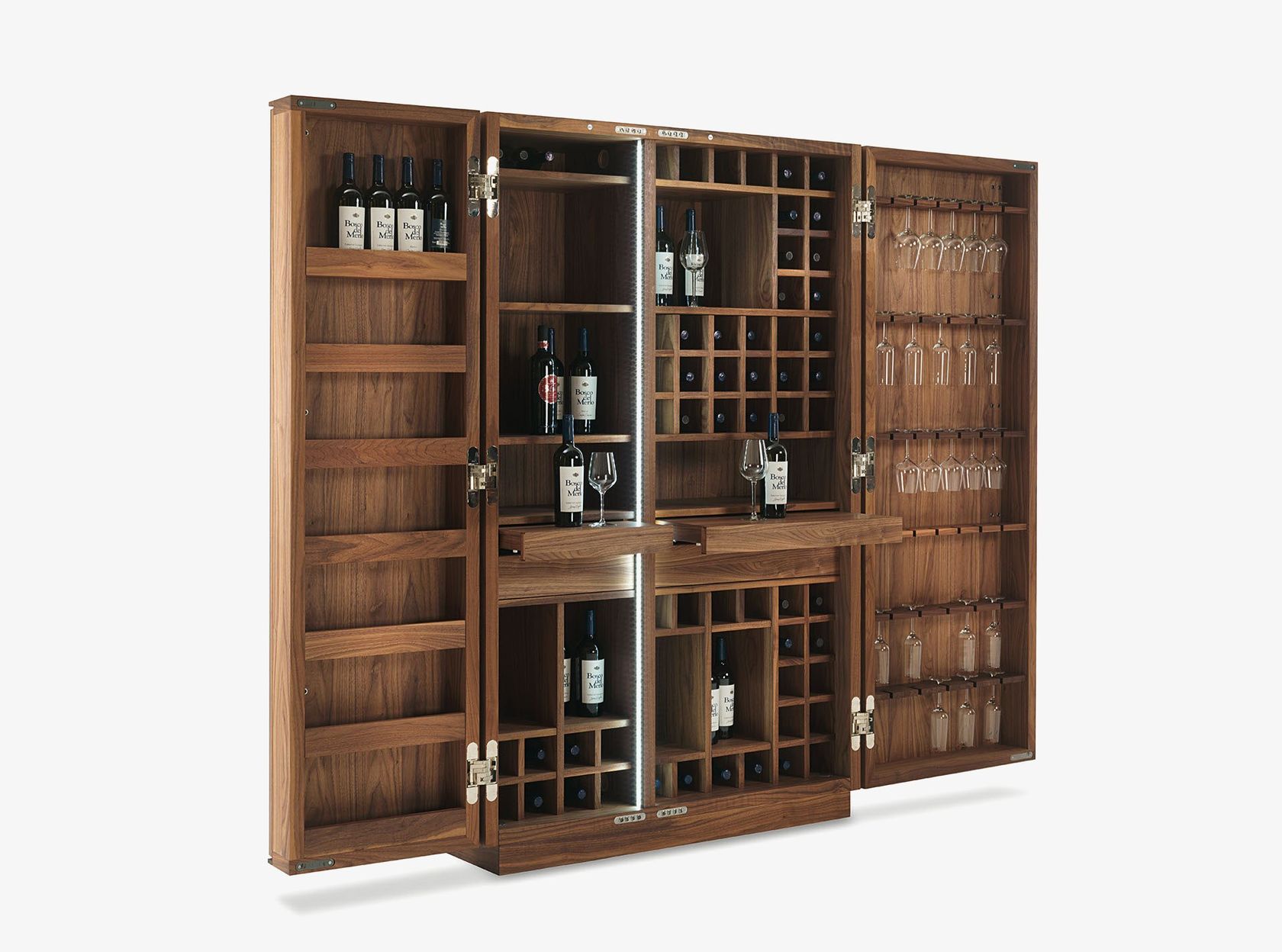
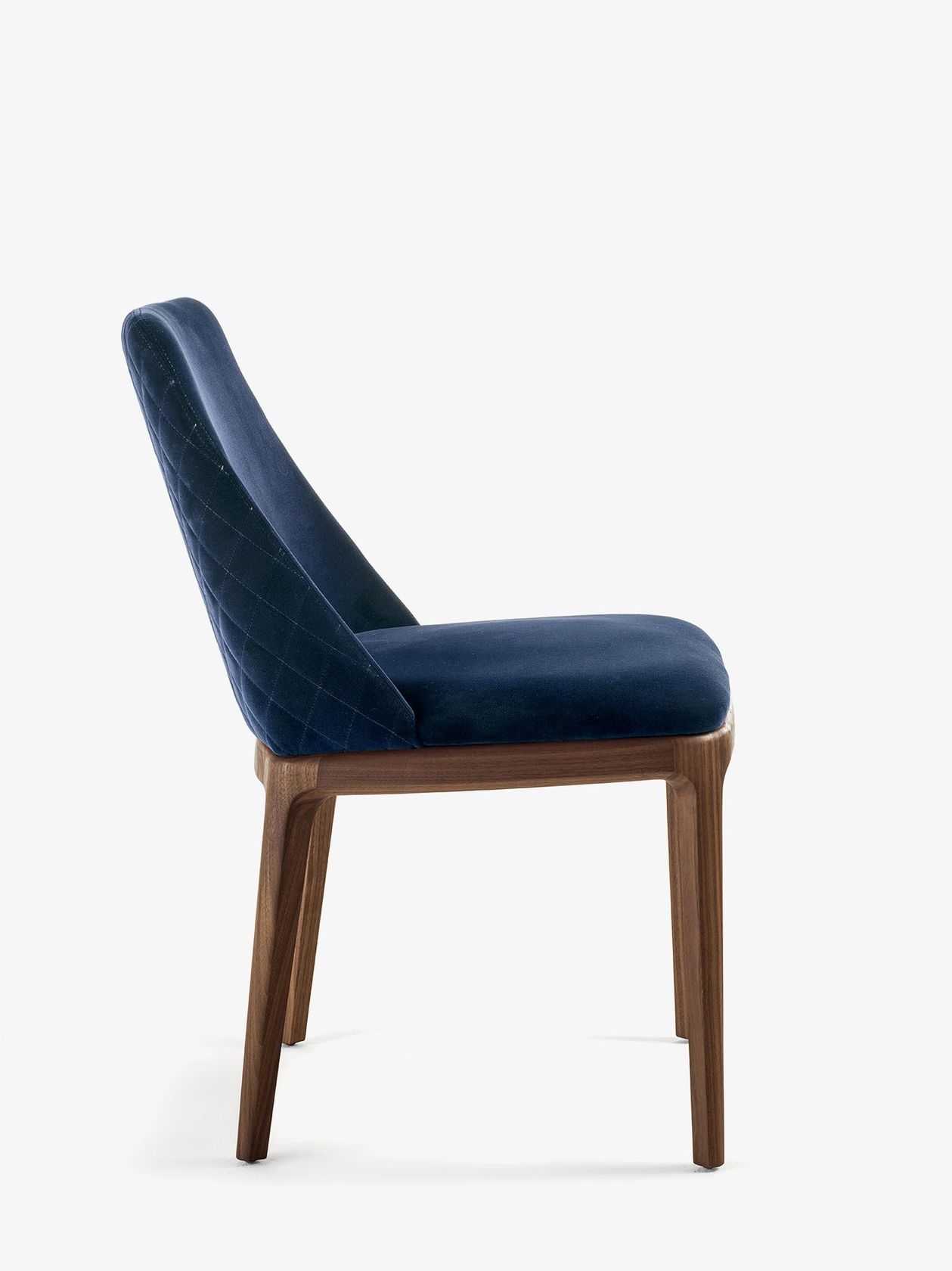
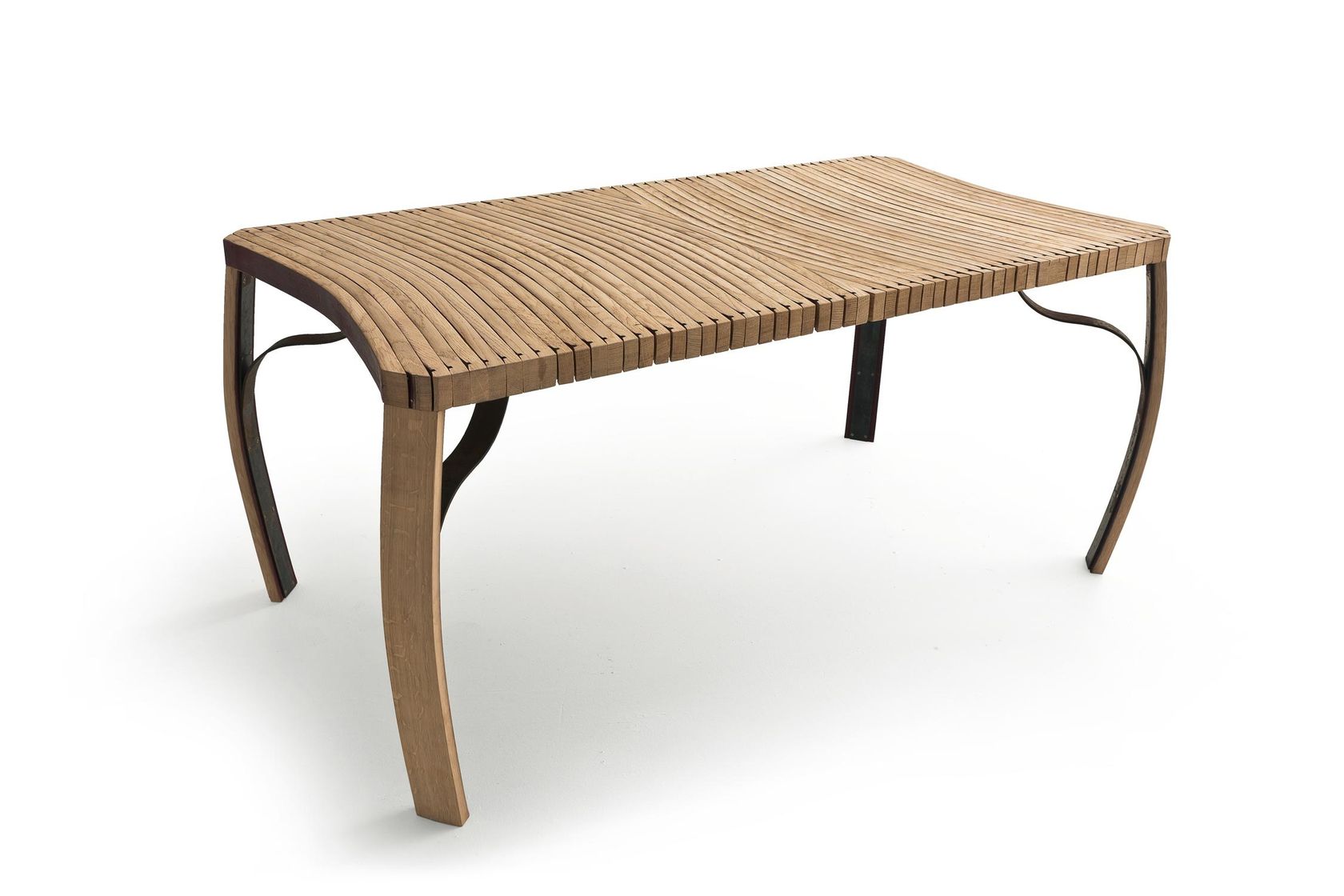
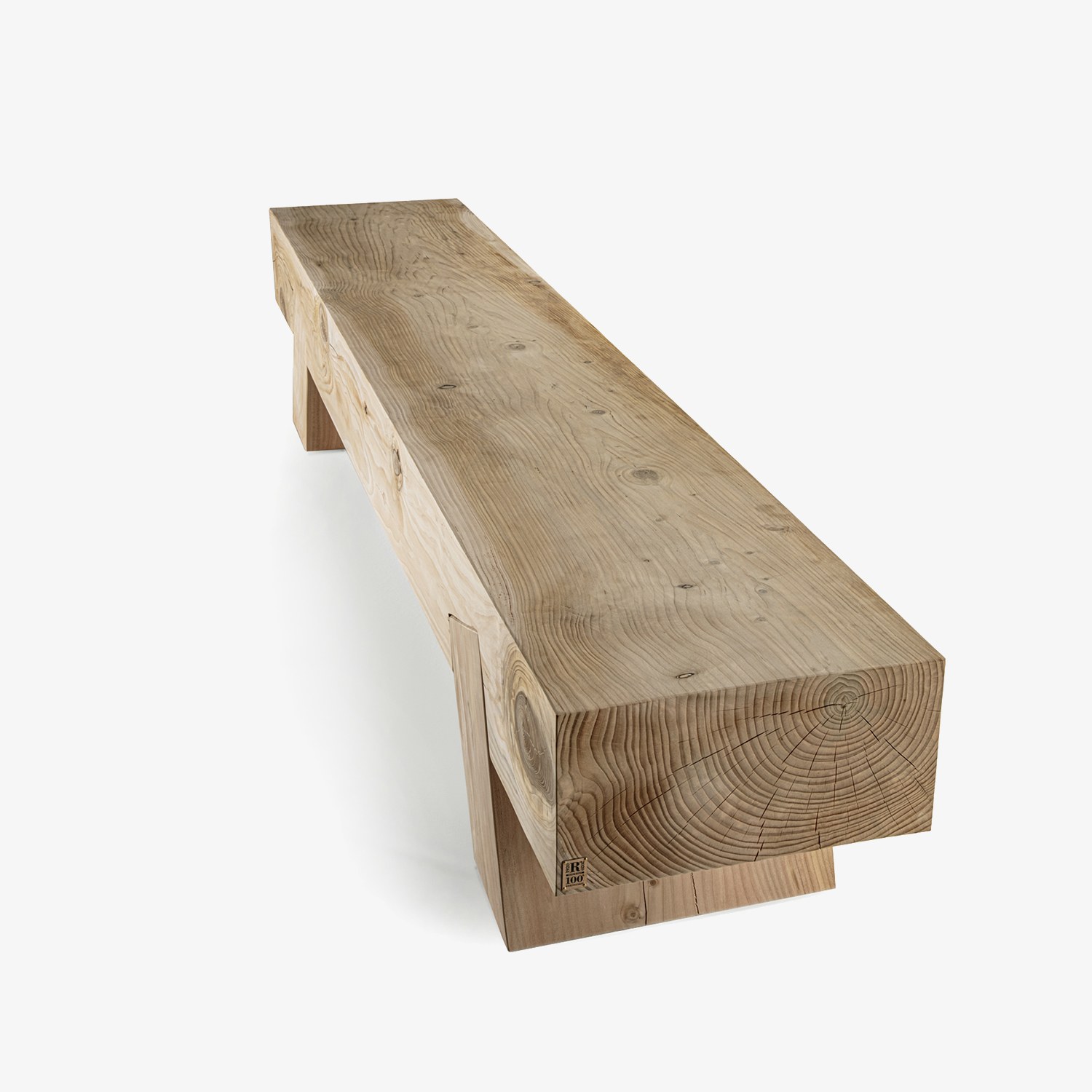
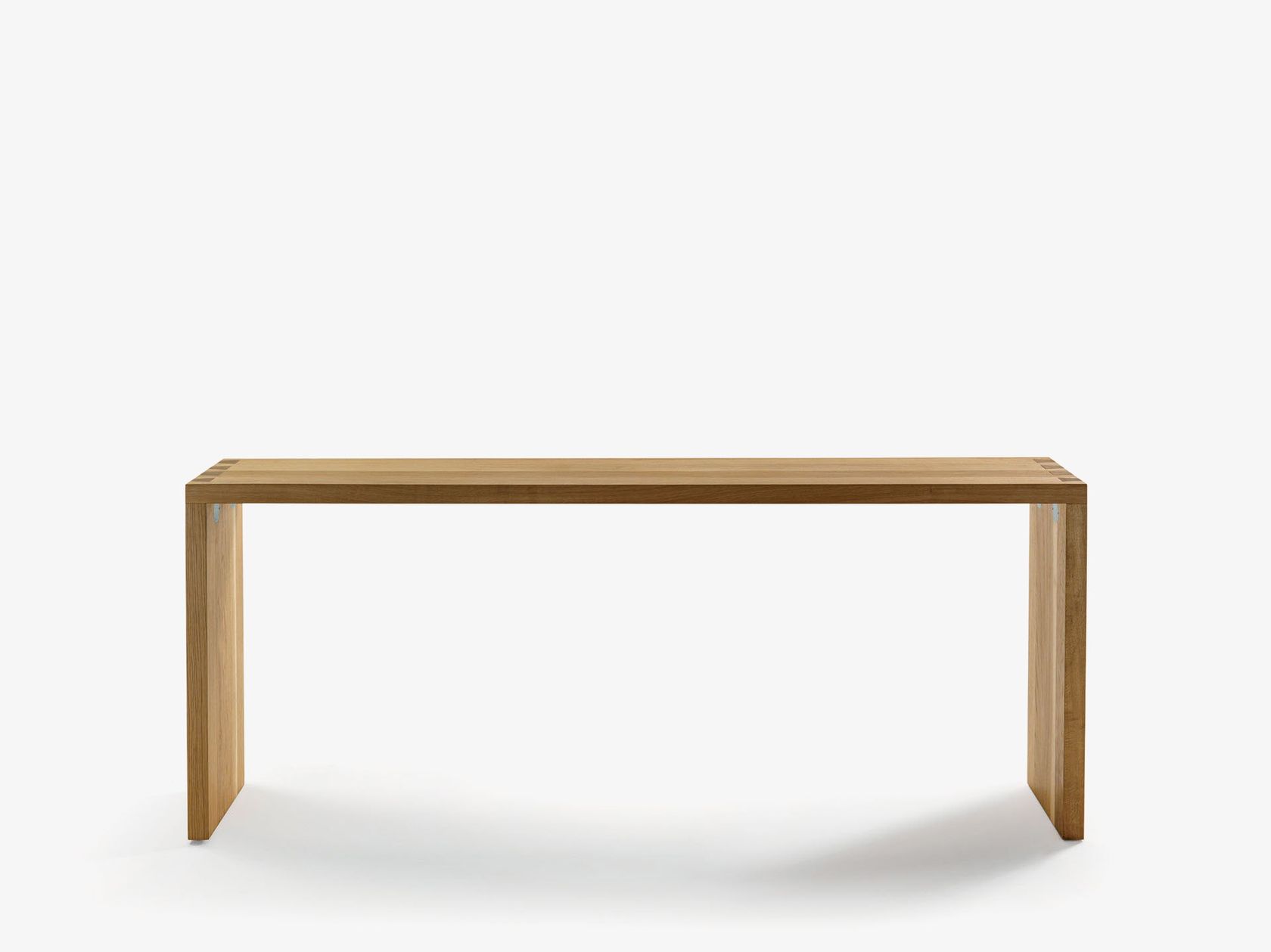
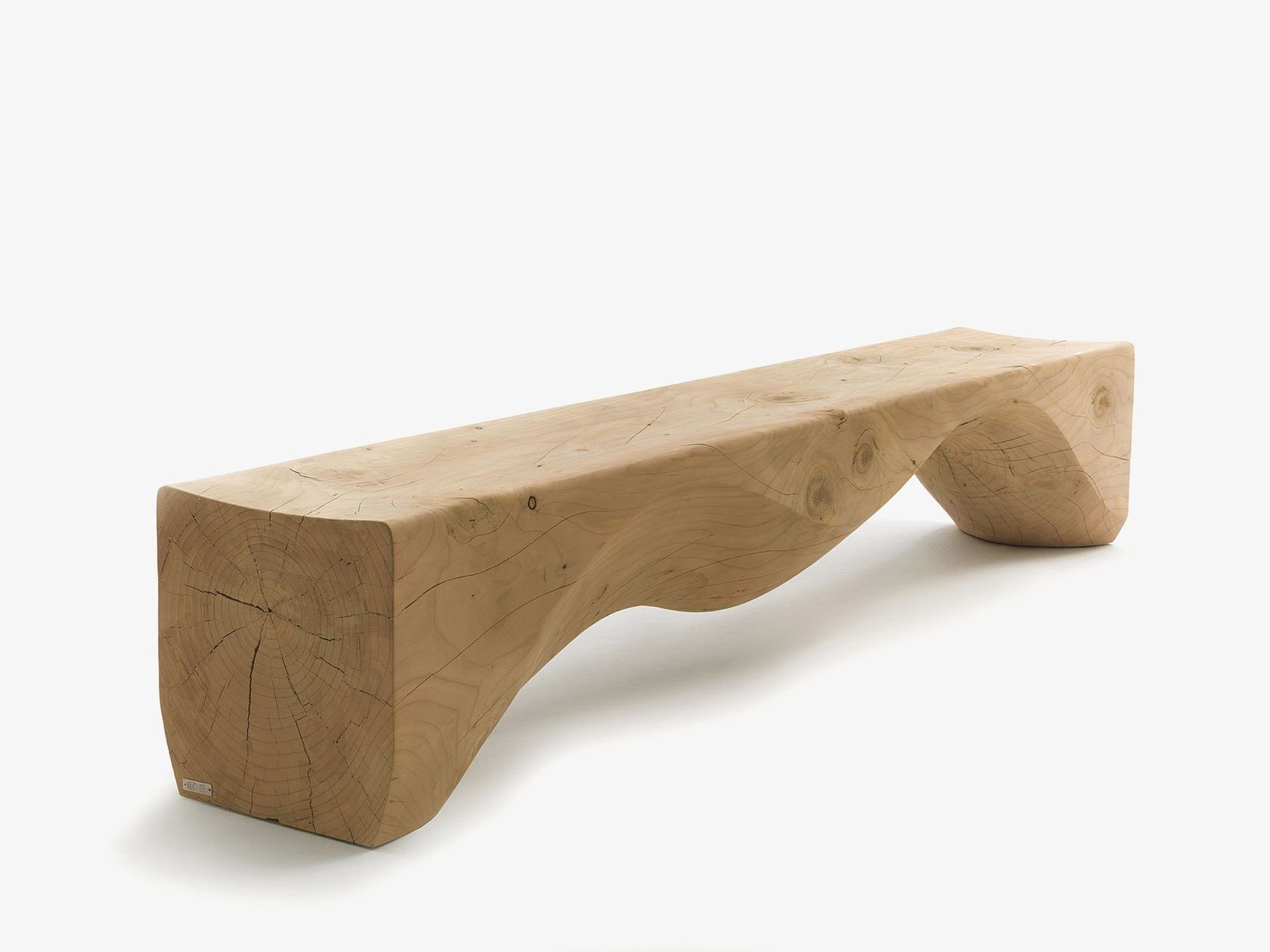
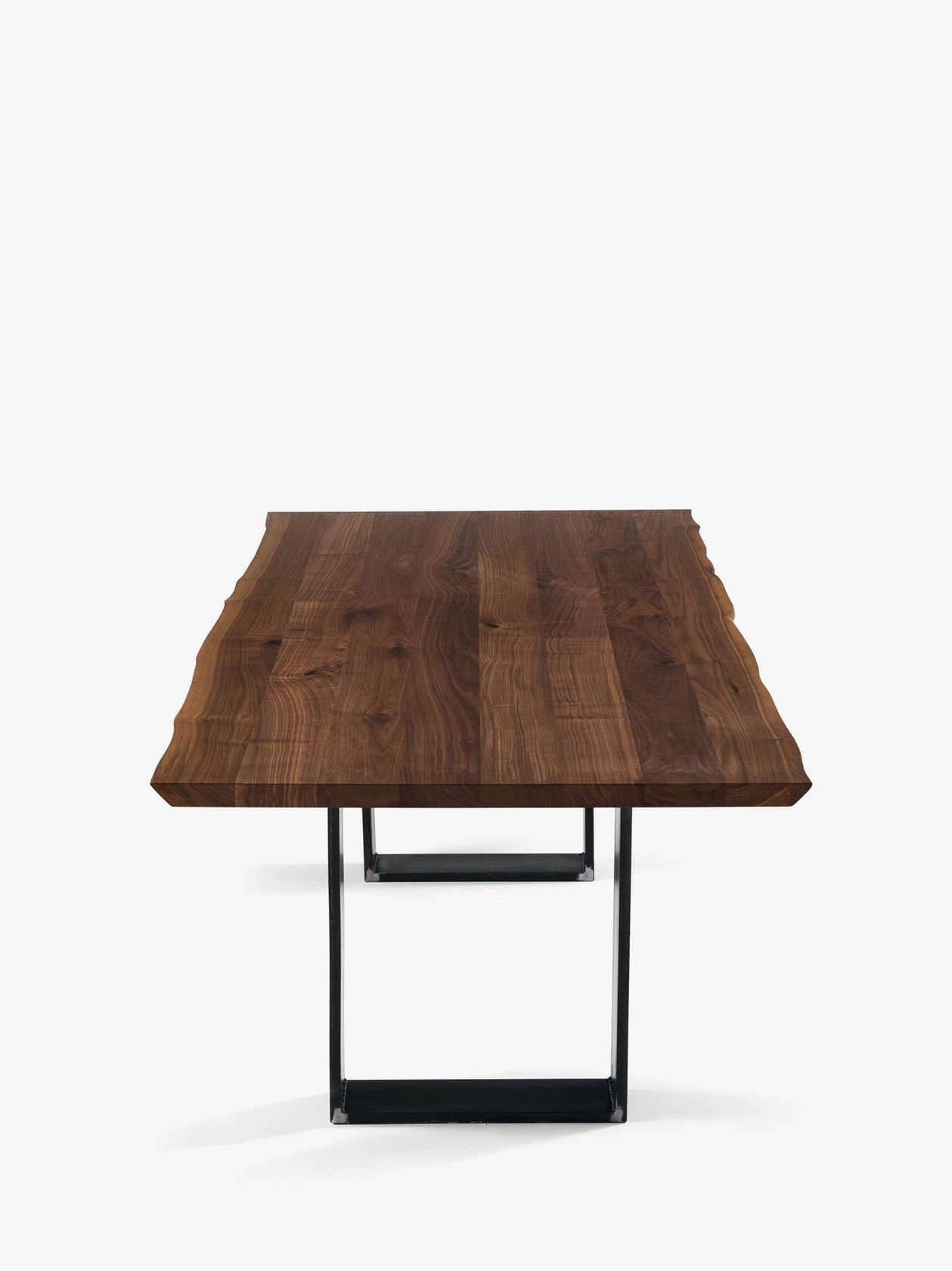
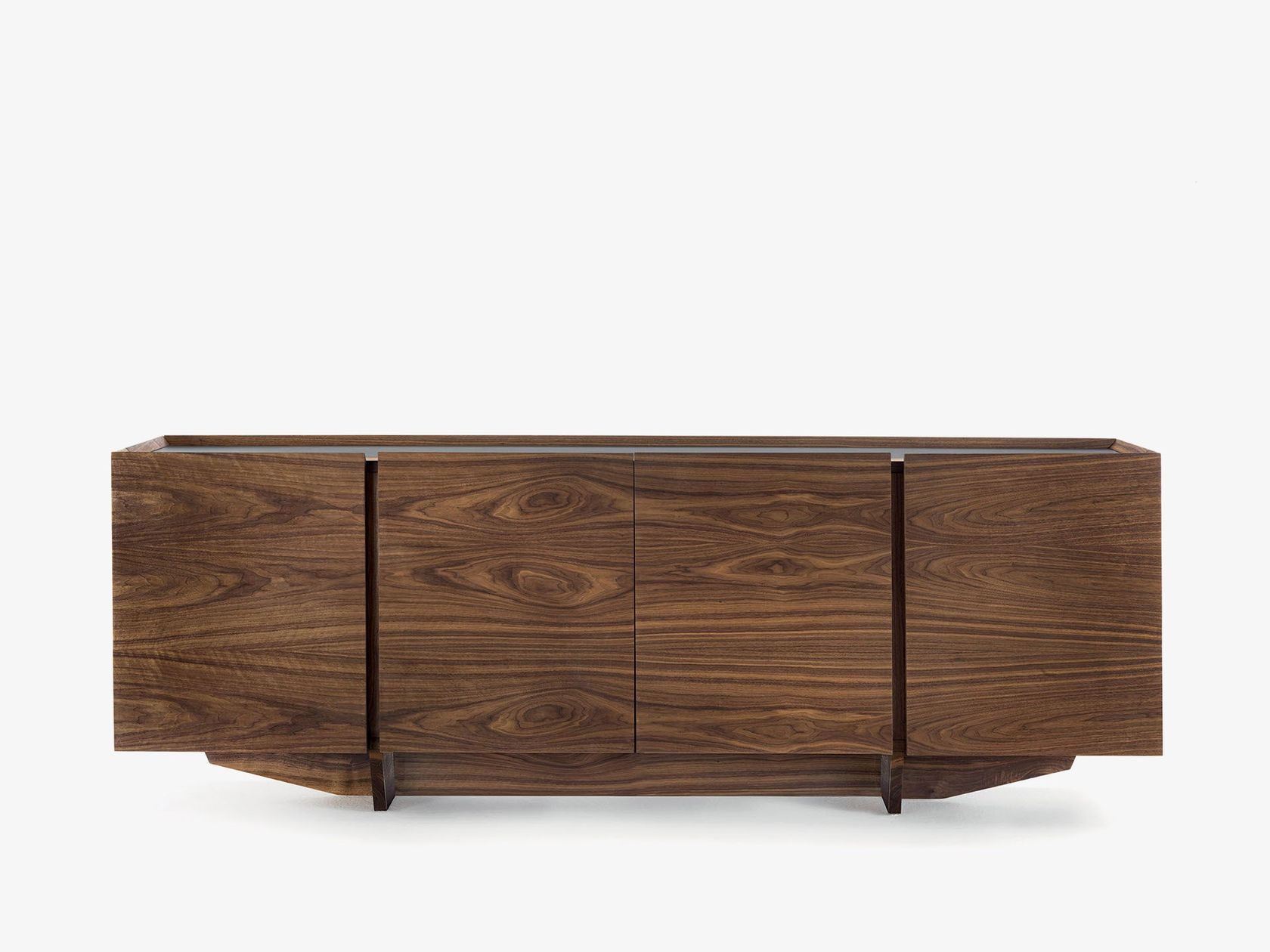
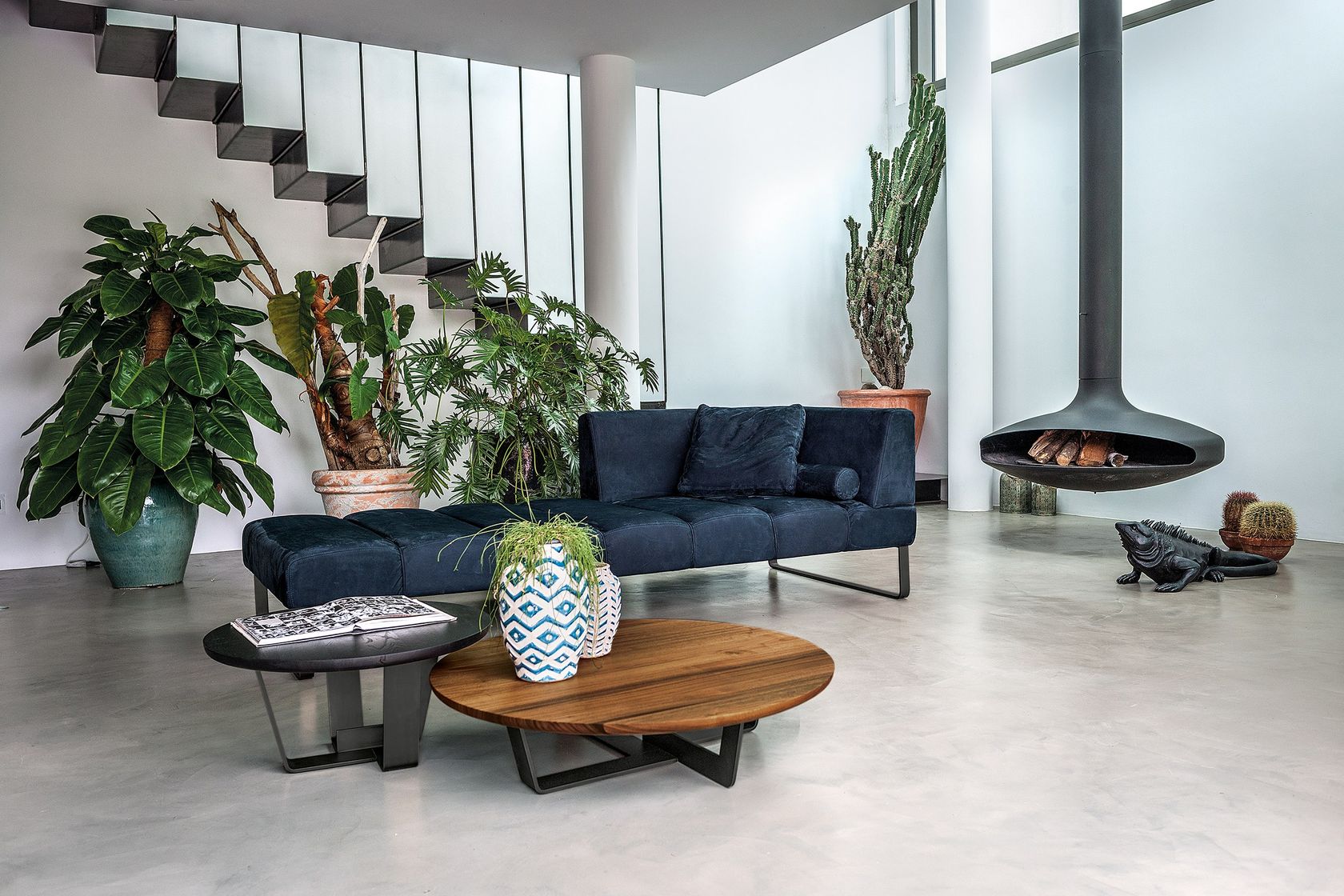
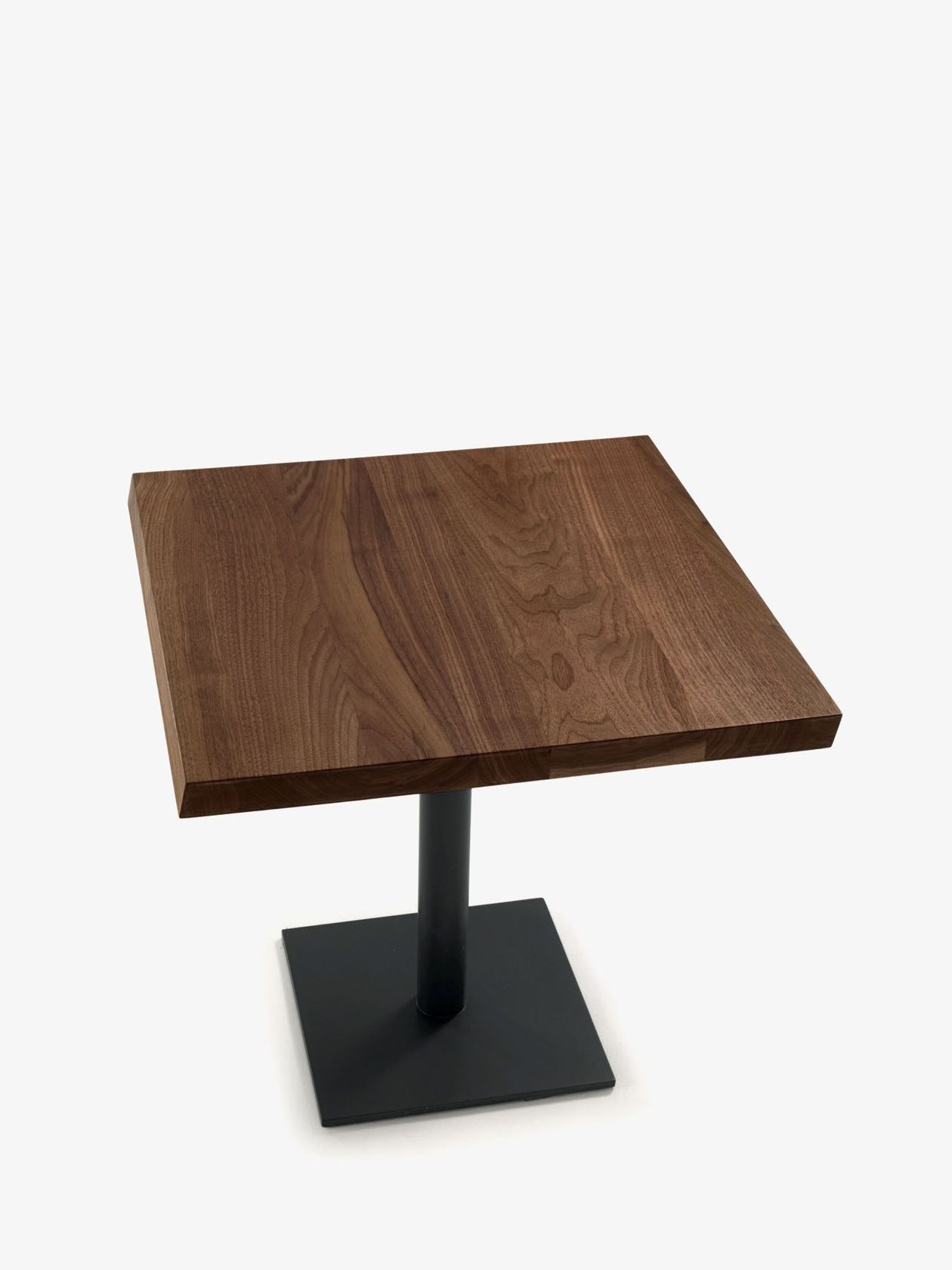
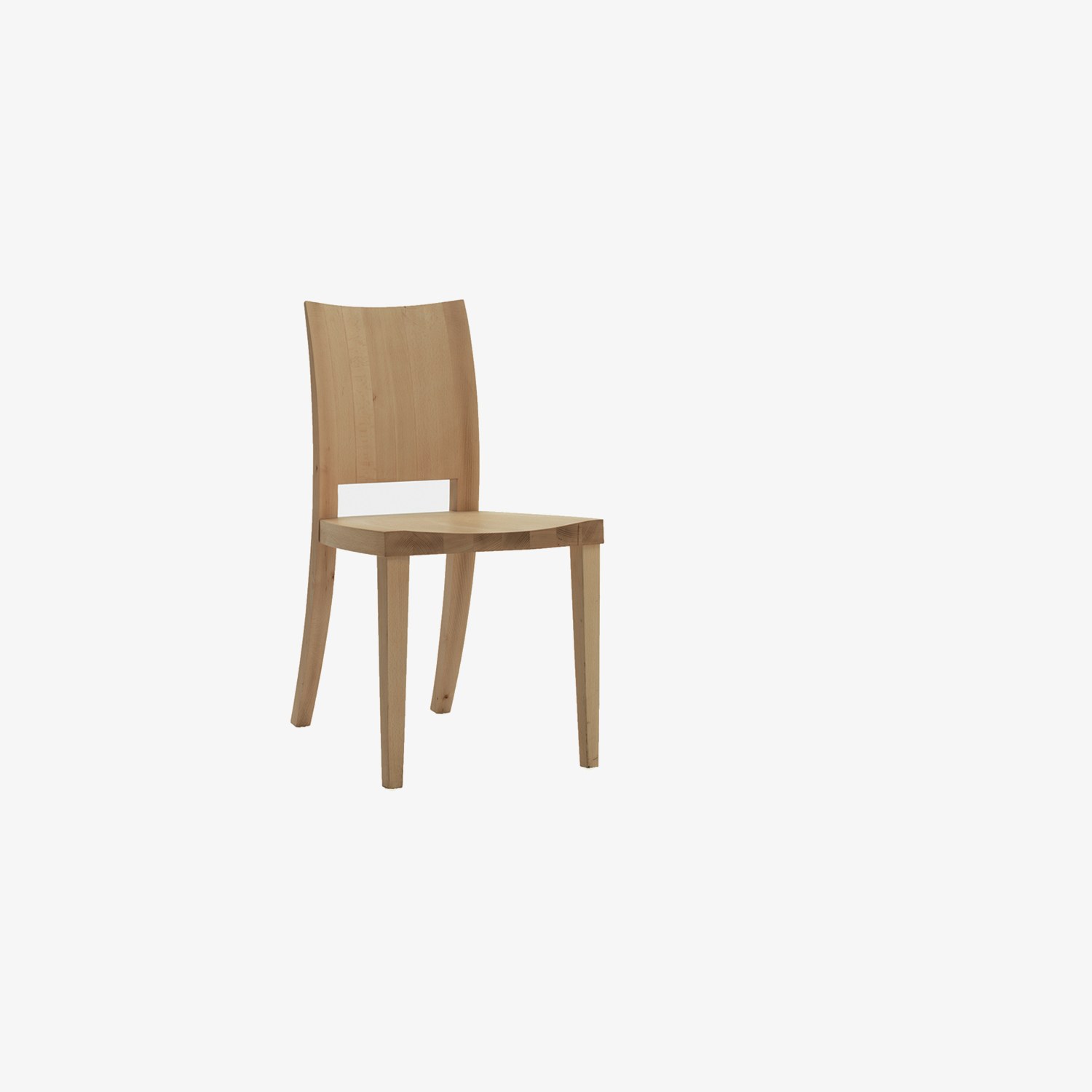
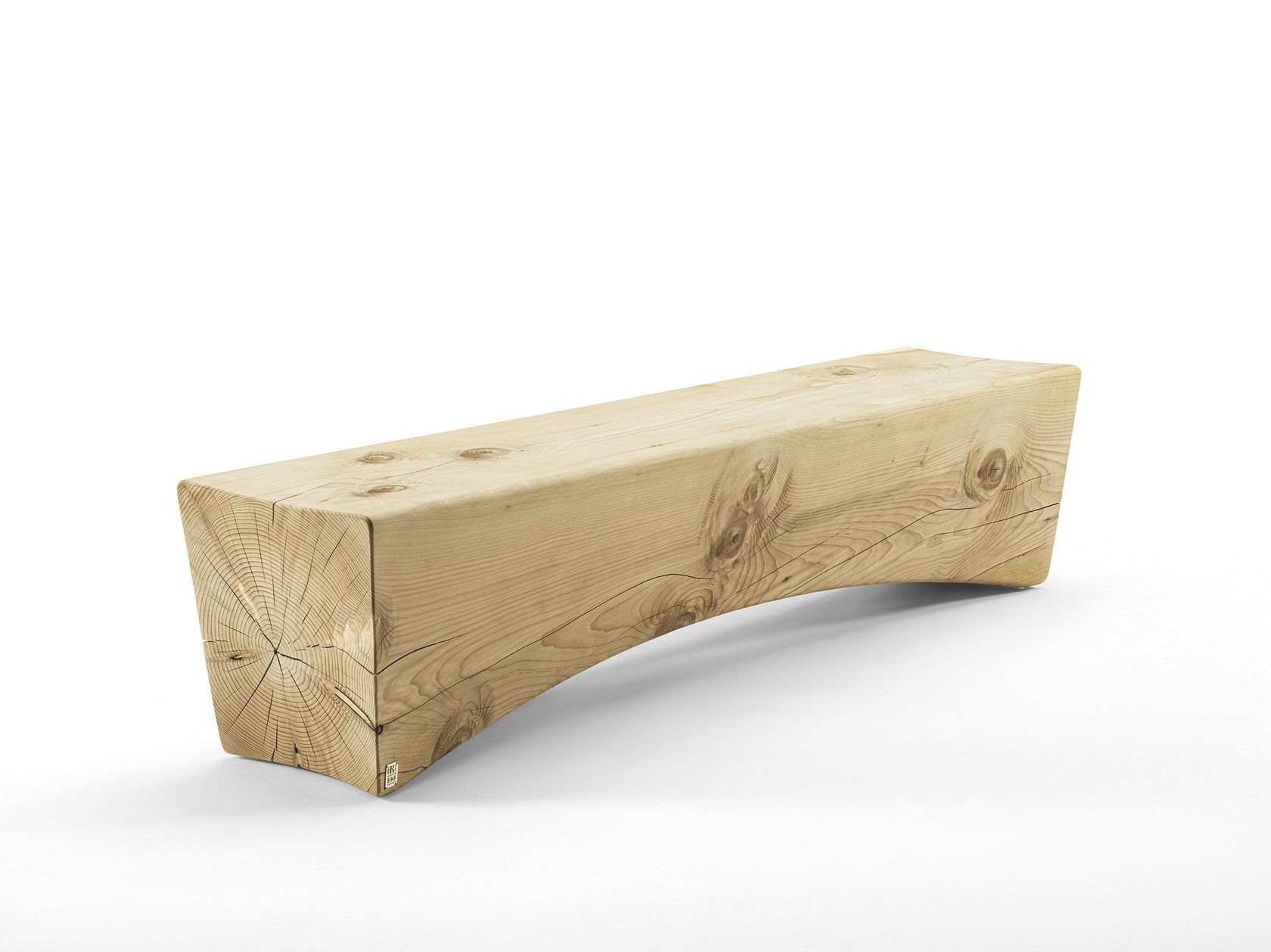
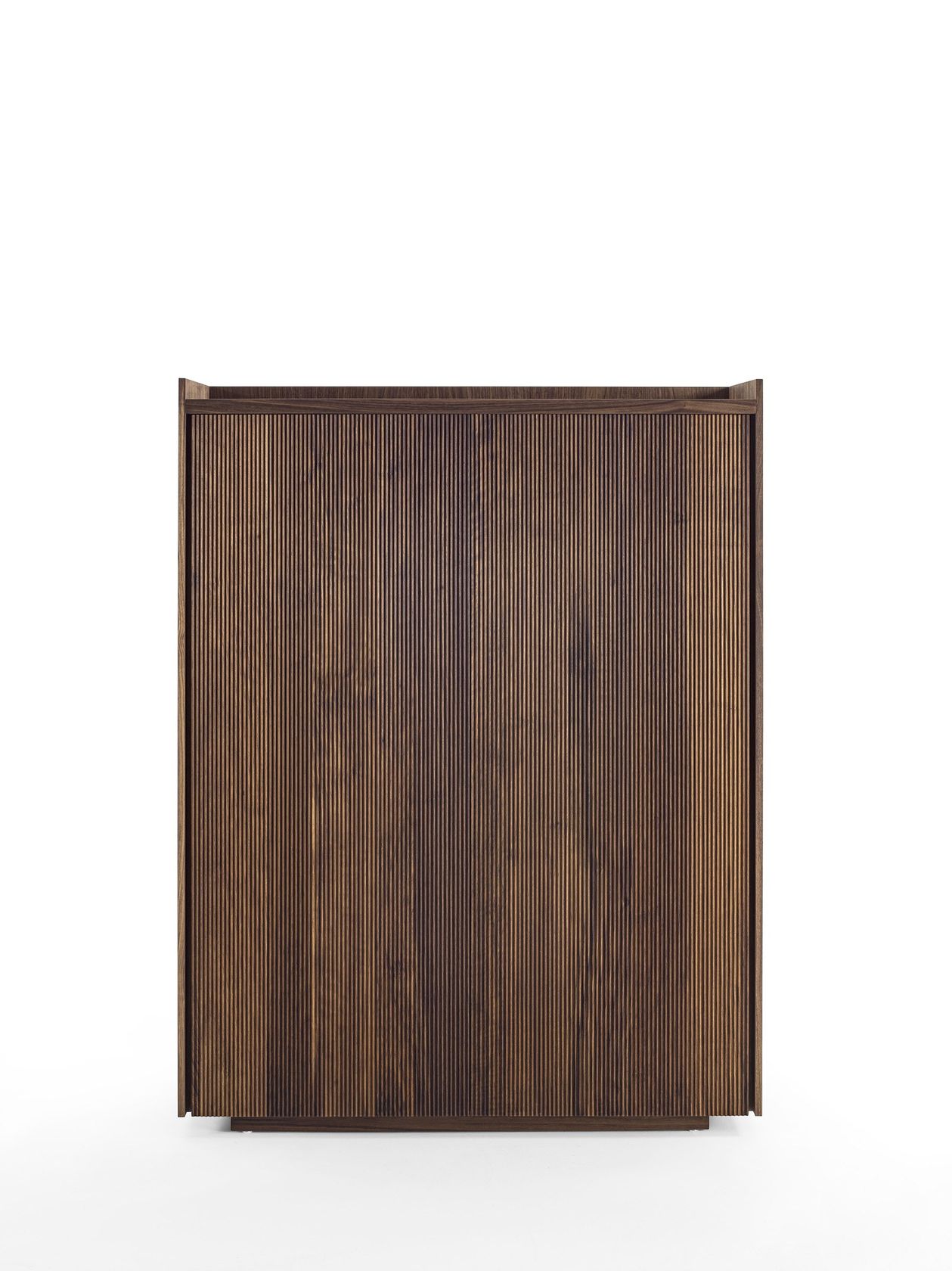
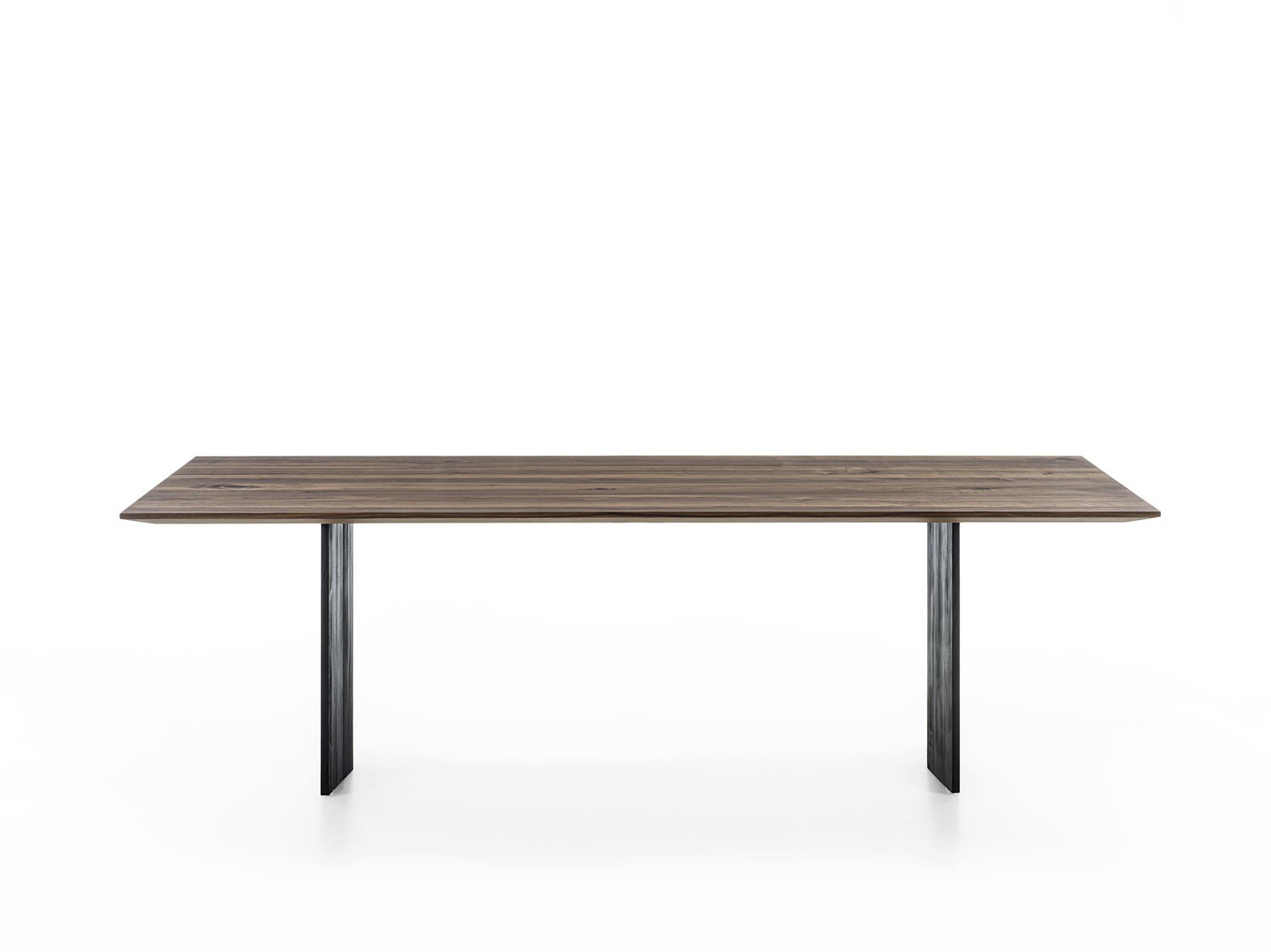
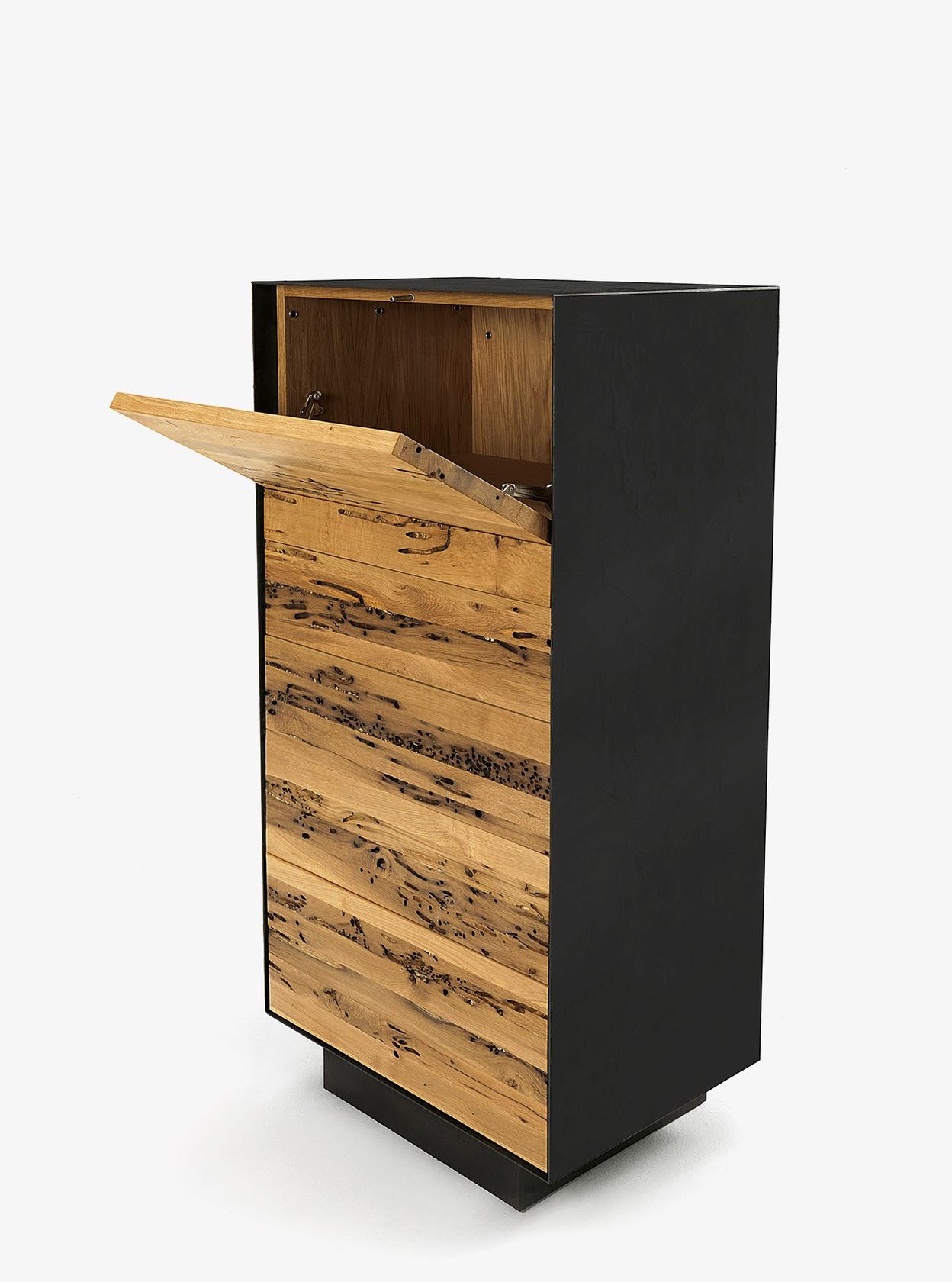
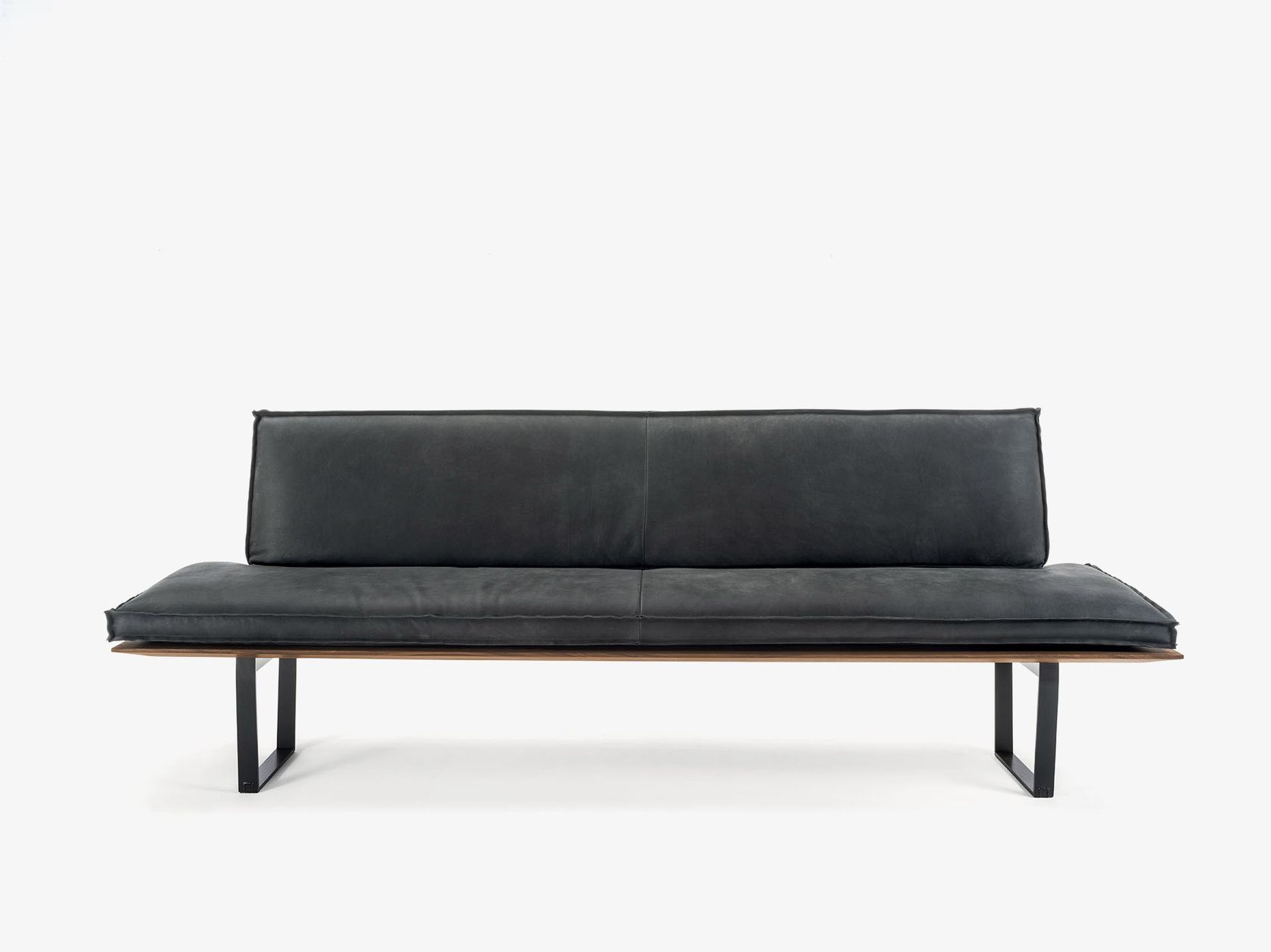
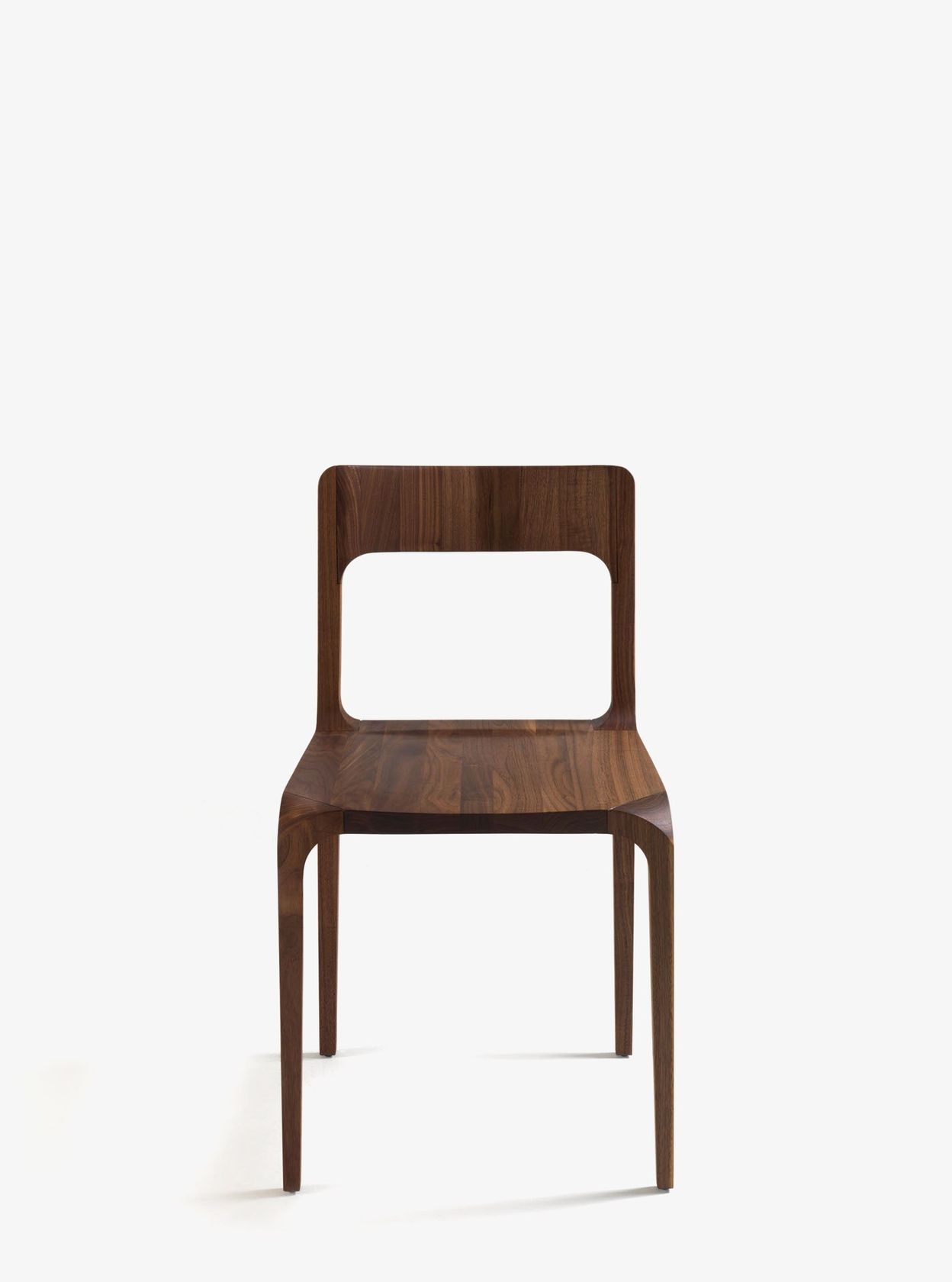
The current collection.
Kauri
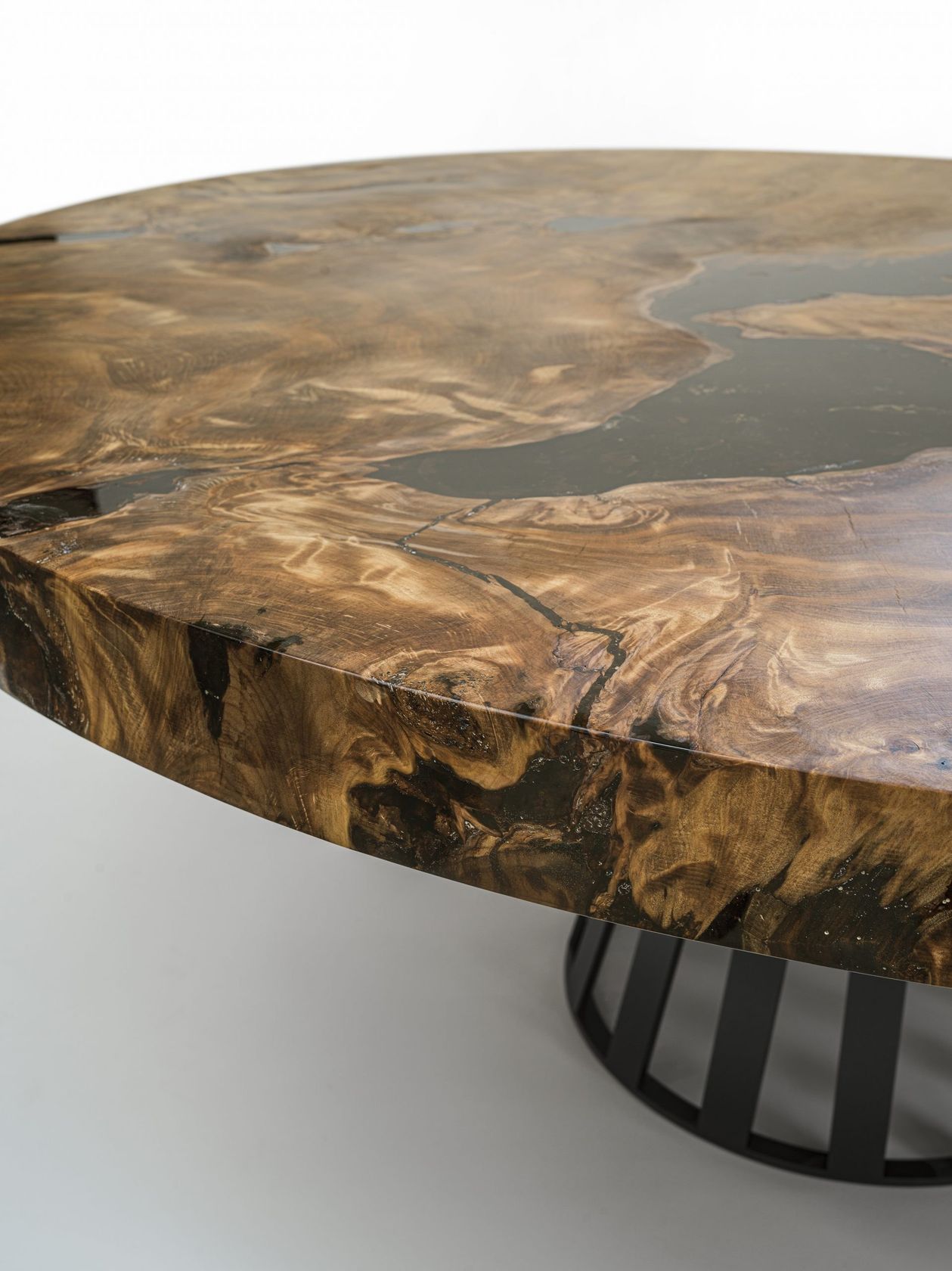
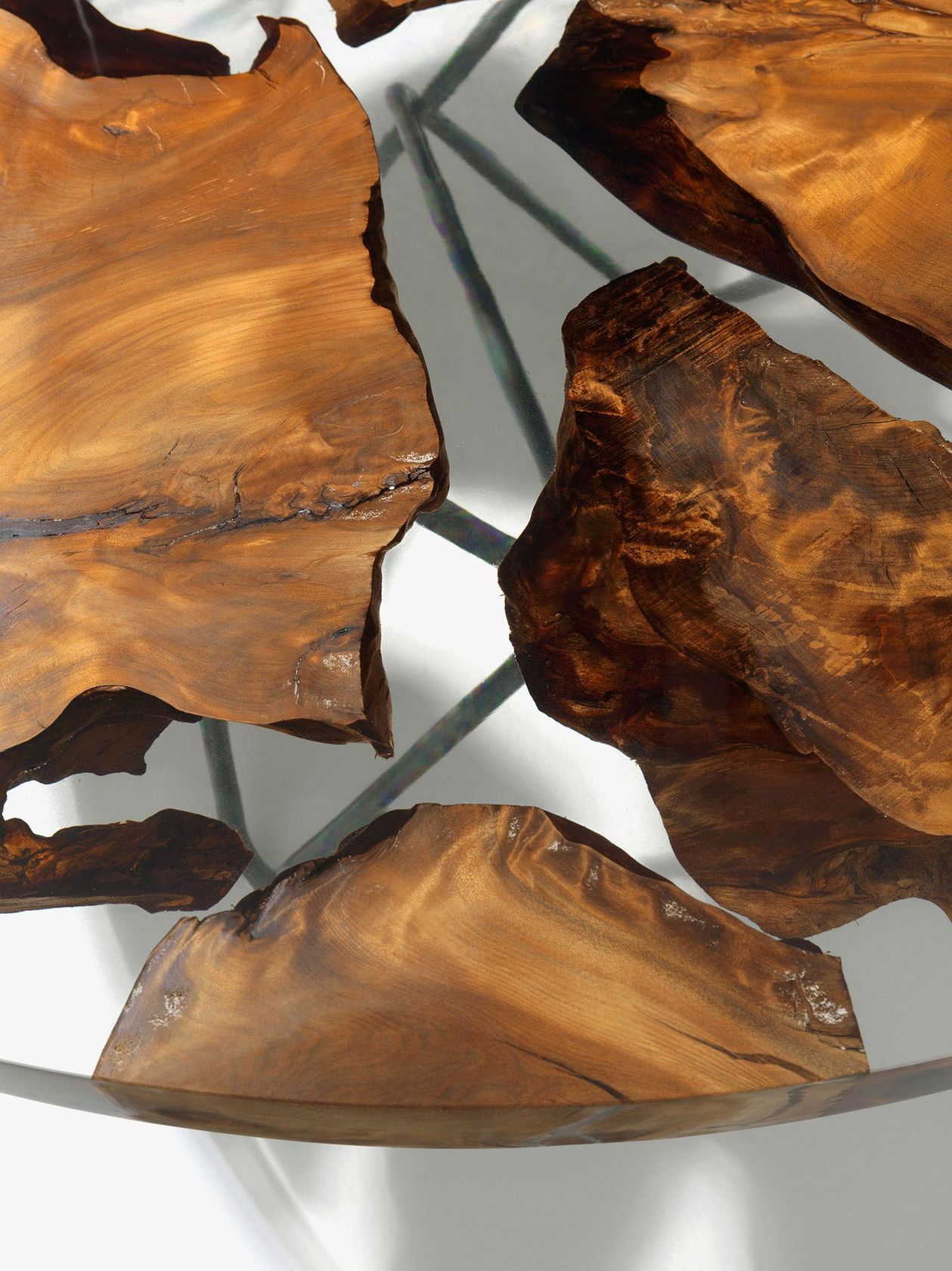
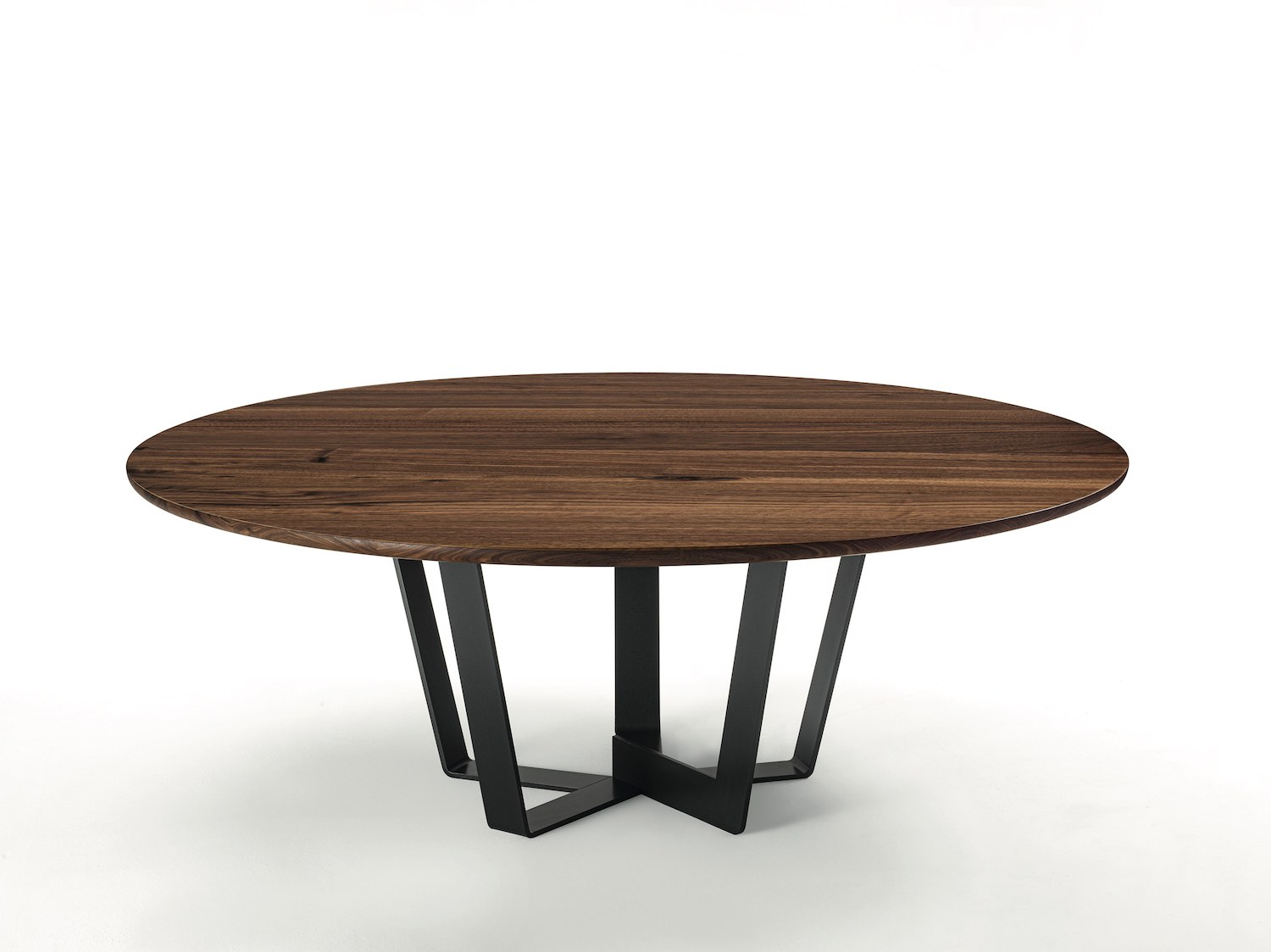
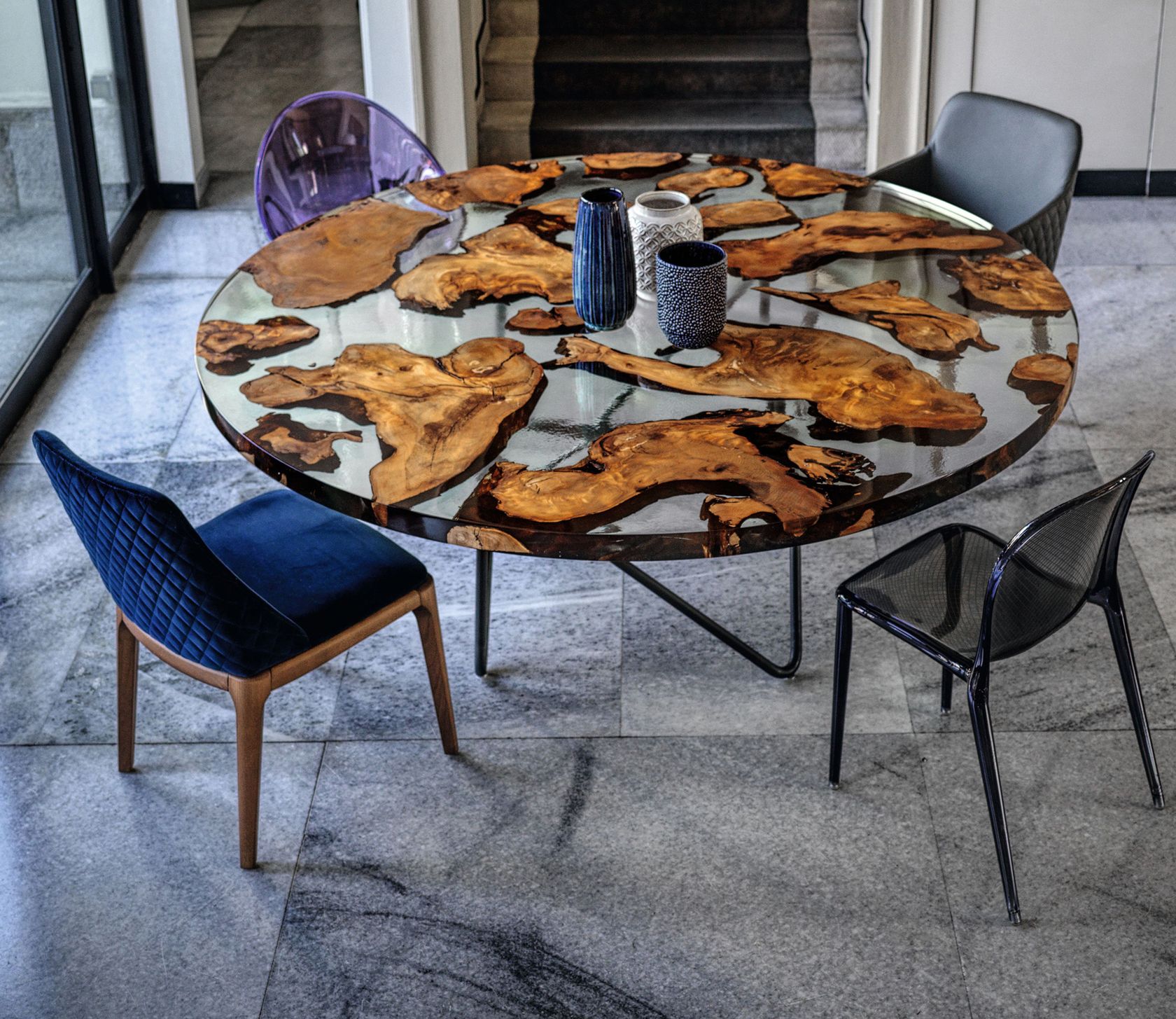
Table with a round top made of solid Kauri wood, combined with a base of iron slats that taper to the center.
Briccole Venezia
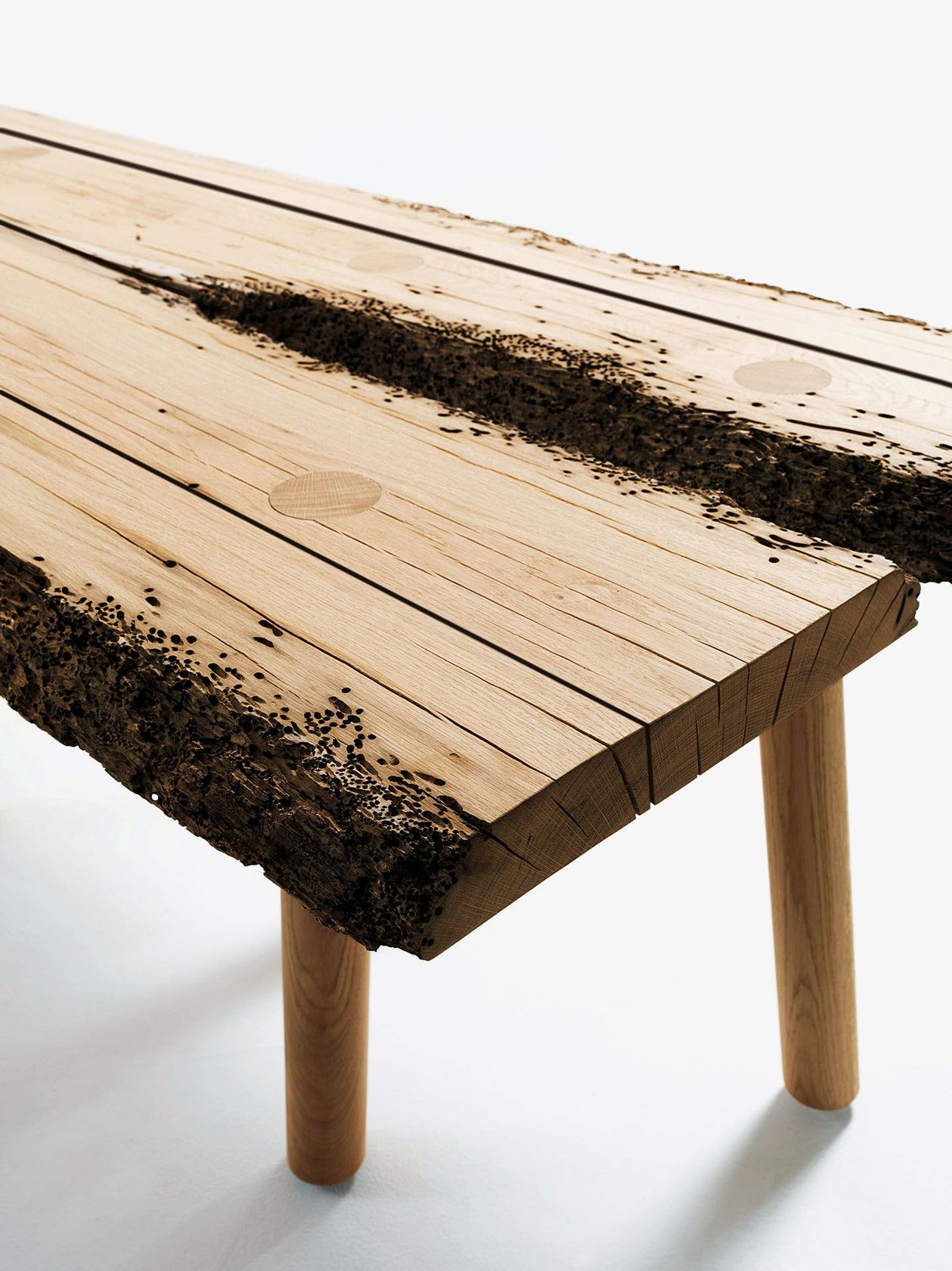
Table with a top in solid Briccola planks, not glued, with natural sides, on a base with turned through-passing oblique legs of circular section.
Natura
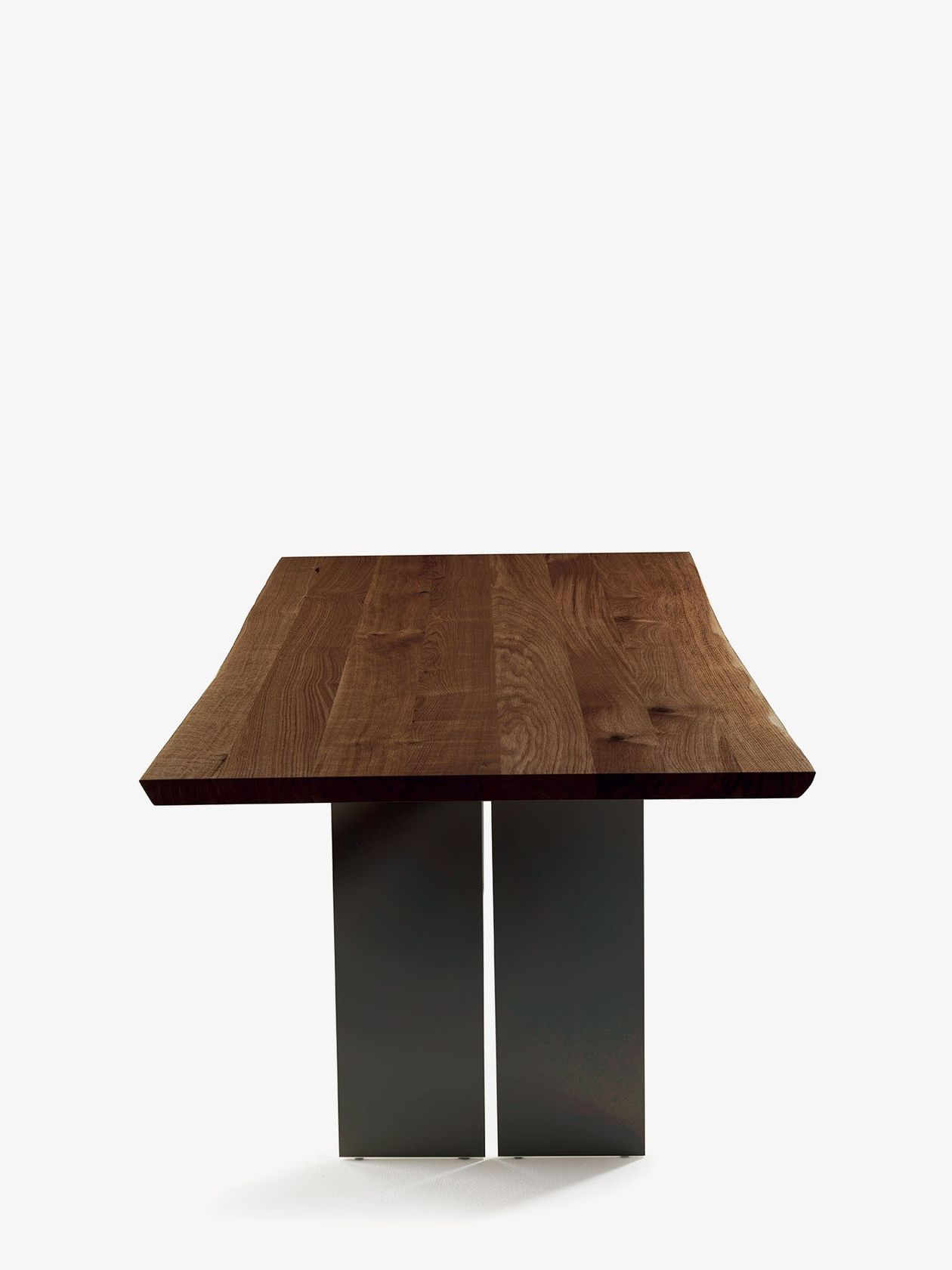
Table entirely in solid wood, with a top of edge-glued staves and natural sides, combined with iron legs having a central gap.
Earth
Table with a top in solid Kauri wood and resin, a stylized symbol of the Earth where the wood pieces represent the continents and the resin the oceans, on an iron base.
Maui
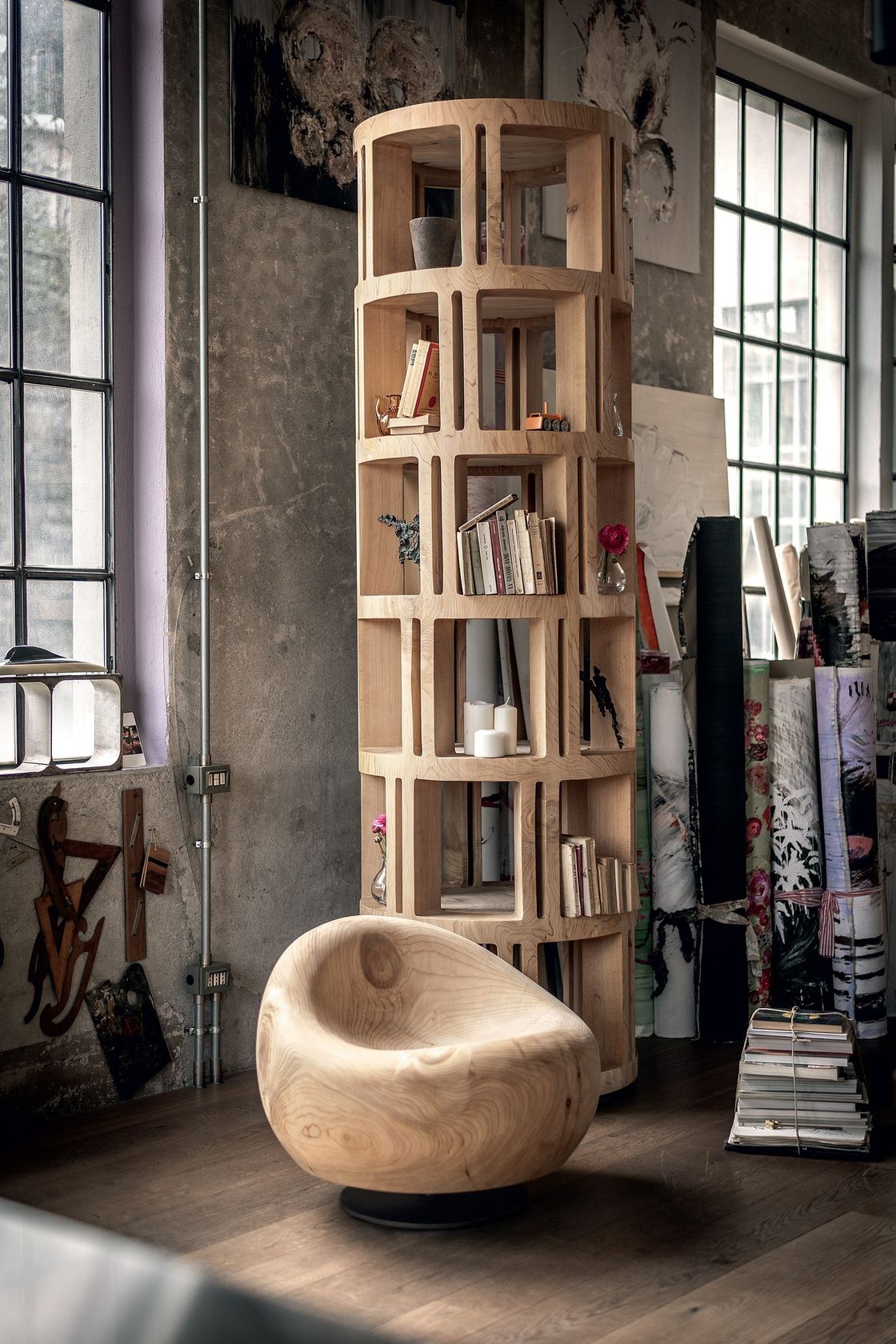
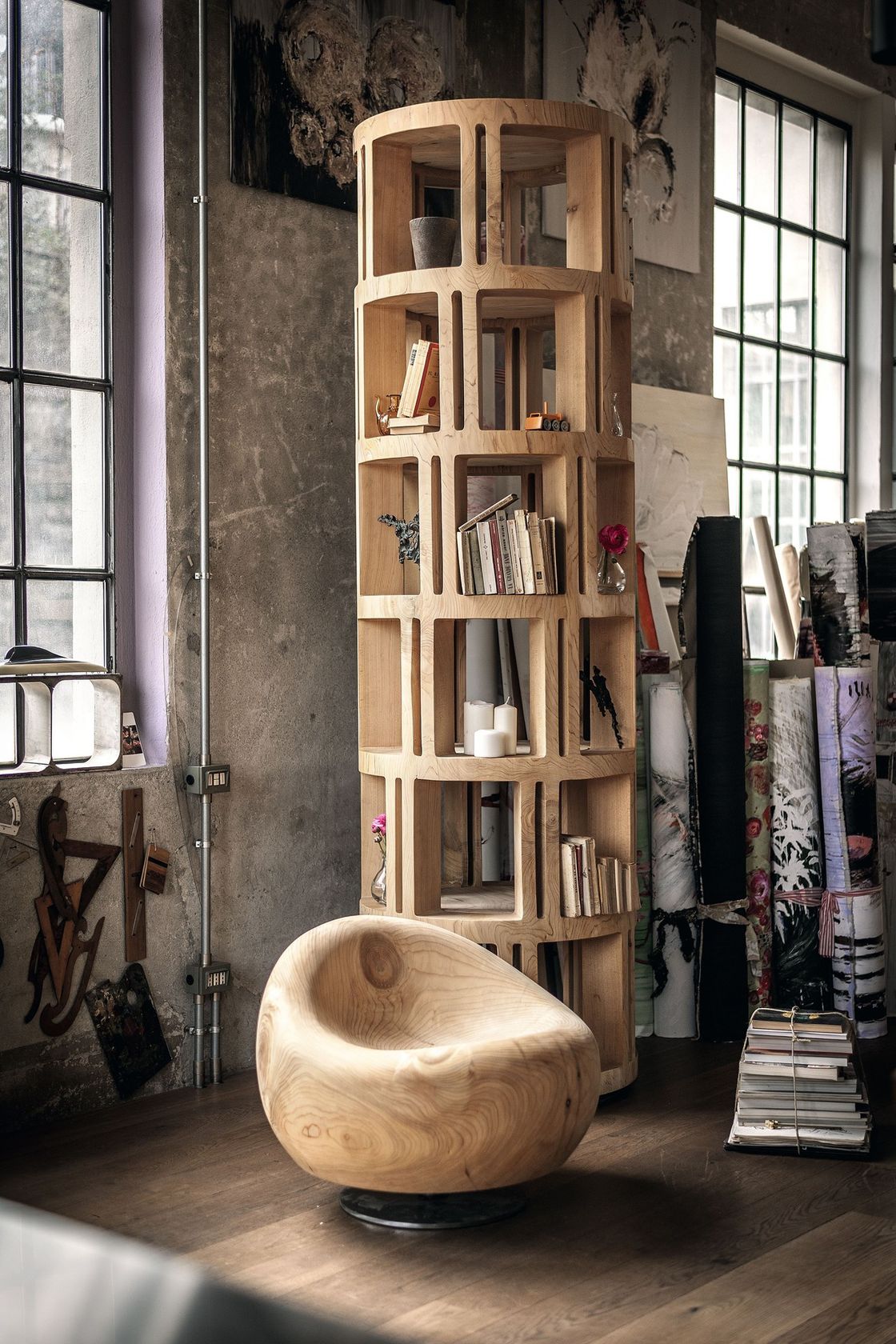
Armchair made from a single block of scented cedar, a sculptural monolith with a curvy, sinuous design and an ergonomic continuous-line seat.
Heritage
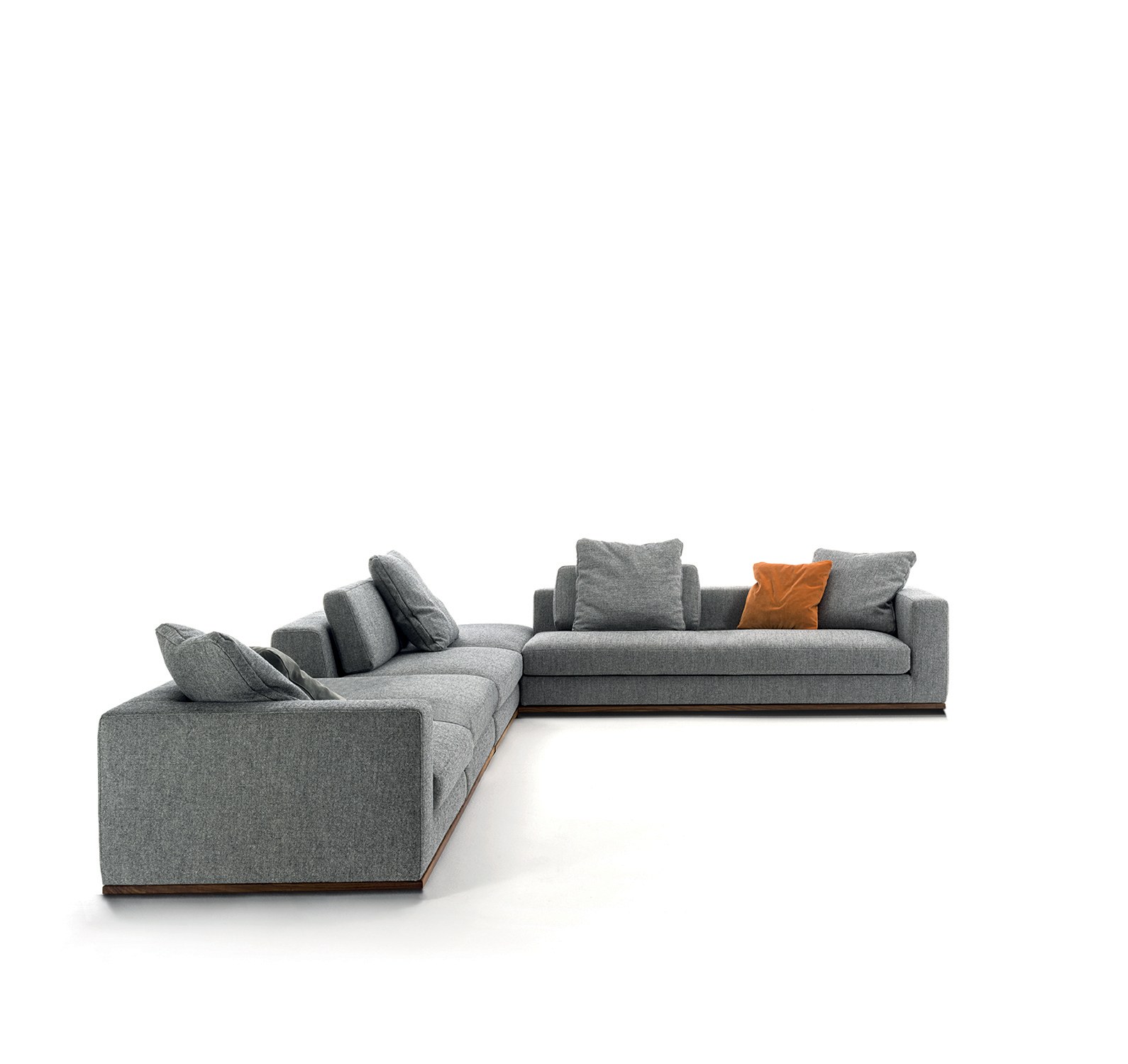
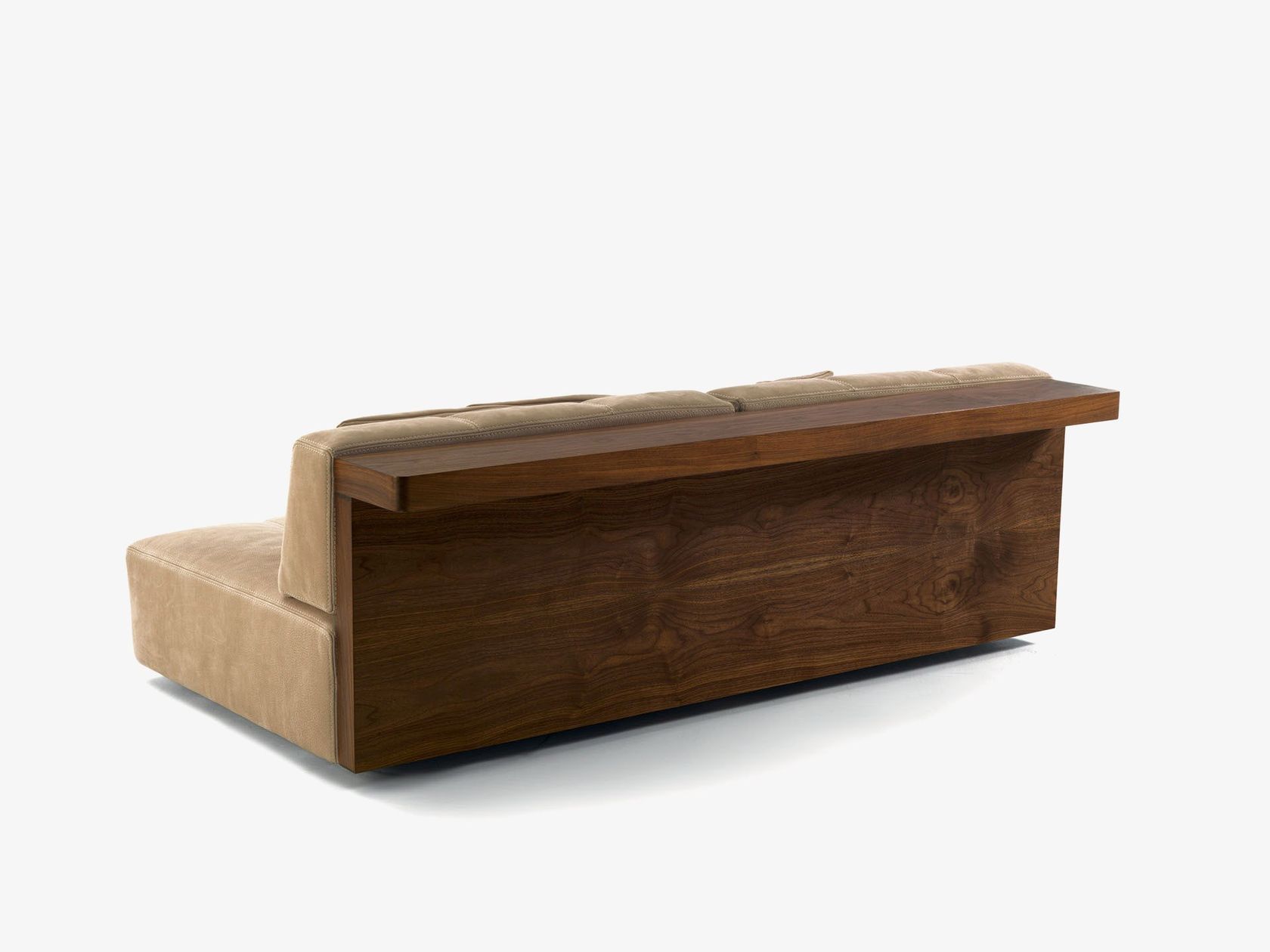
Modular seating program with a wooden structure combined with soft leather or fabric cushions with visible stitching.
Bedrock
Table with a top of solid wood made of two single aligned planks with a middle gap and natural sides, available with an asymmetrical plank on request.
Boss Executive
Table entirely in solid wood, with a top of edge-glued staves and legs passing through the top surface, made from sections of tree trunks.
Bungalow
Padded armchair with a solid wood structure that is turned, assembled and sanded by hand, with characteristic leather or fabric strips running across it.
Cambusa
Multifunctional storage unit in blockboard and solid wood with double doors, designed as a wine unit with internal grids and containers for bottles and glasses and interior LED lighting.
Cloe
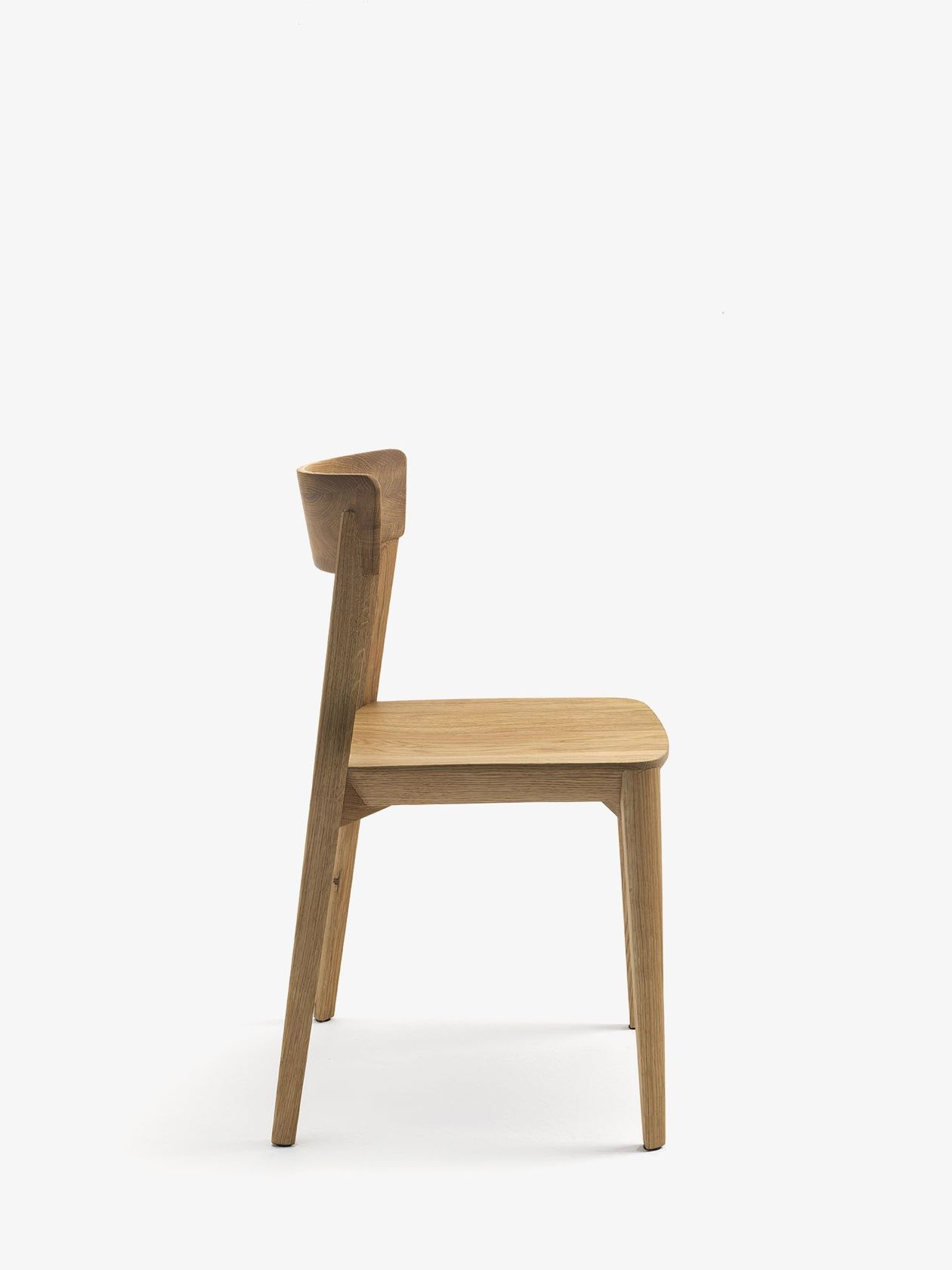
Chair with solid wood legs and a polyurethane structure with back and seat in a continuous line, with cover in leather or fabric.
Doga
Table with a top made by combining oak staves from barrels; the staves also shape the curved legs.
Dolmen
Bench in solid scented cedar, consisting of a large beam that forms the seat and houses the legs inside it.
Frame
Console made entirely of solid wood, composed of edge-glued staves with straight edges, with a dovetail joint between the top and legs.
Fur Nature
Padded sofa covered in leather or fabric with visible stitching and a veneered blockboard back, offered in various modular configurations.
Kohi
Round table with a solid wood top, with the option of a wood or marble tray fitted with a Lazy Susan rotating system, on an iron base.
Mia
Chair entirely made of solid wood.
Molletta
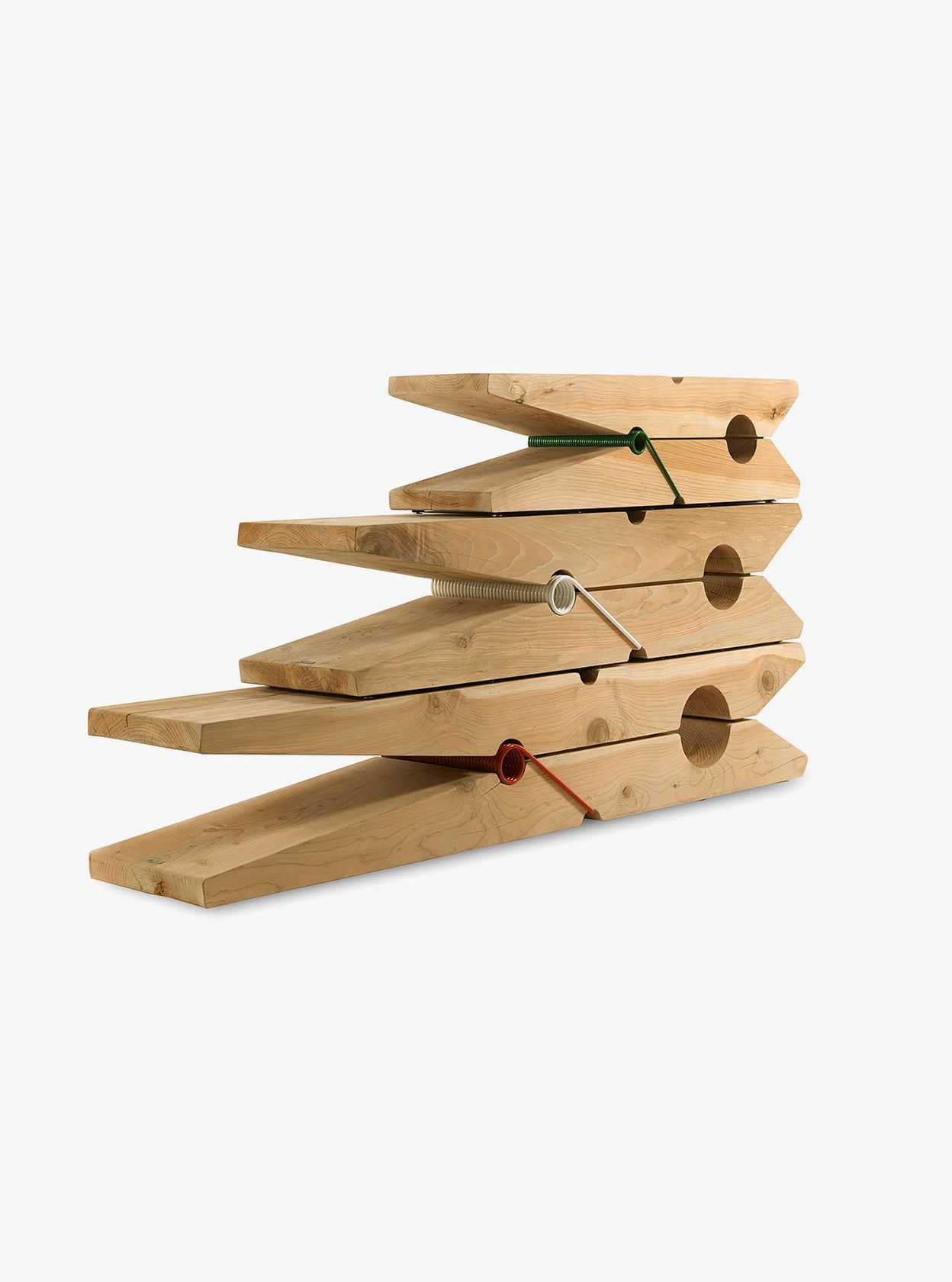
Bench in solid scented cedar worked from single blocks, with a sculptural design inspired by an off-scale clothespin, available in three sizes.
Mountains
Bench made from a single block of scented cedar with a wavy, sinuous form alternating solid and empty volumes.
Newton
Table entirely in solid wood, with a top of edge-glued staves and natural sides, combined with iron legs.
Pandora
Multifunctional sideboard in blockboard, also available with iron or hide leather details on the top and inside the doors, with lateral doors that open.
Patmos
Padded sofa with leather or fabric cushions and iron legs, available in modular compositions, some with solid wood elements worked from a single block.
Pebbles
Round or square table entirely in solid wood, with a top of edge-glued staves and oblique edges that allow units to be joined together.
Pimpinella
Chair entirely made of solid wood.
Pontevecchio
Bench in solid scented cedar carved from a single block, with a square linear shape meeting a curved form below the seat.
Revo
Highboard in solid wood and blockboard, with a frame containing the top and interior shelves and drawers made with traditional dovetail joints.
Rewood
Table entirely in solid wood, with a top of edge-glued staves with tapered edges, paired with solid wood rhombus-shaped legs.
Rialto
Chest of drawers in solid wood and blockboard with an iron or wooden frame, with drawers assembled using dovetail joints and a flap door.
Sequoia
Bench in solid wood with a seat of edge-glued staves and iron legs, fitted with large leather or fabric upholstered cushions.
Sleek
Chair entirely made of solid wood, characterized by the lightness of its structure.
Sospiro
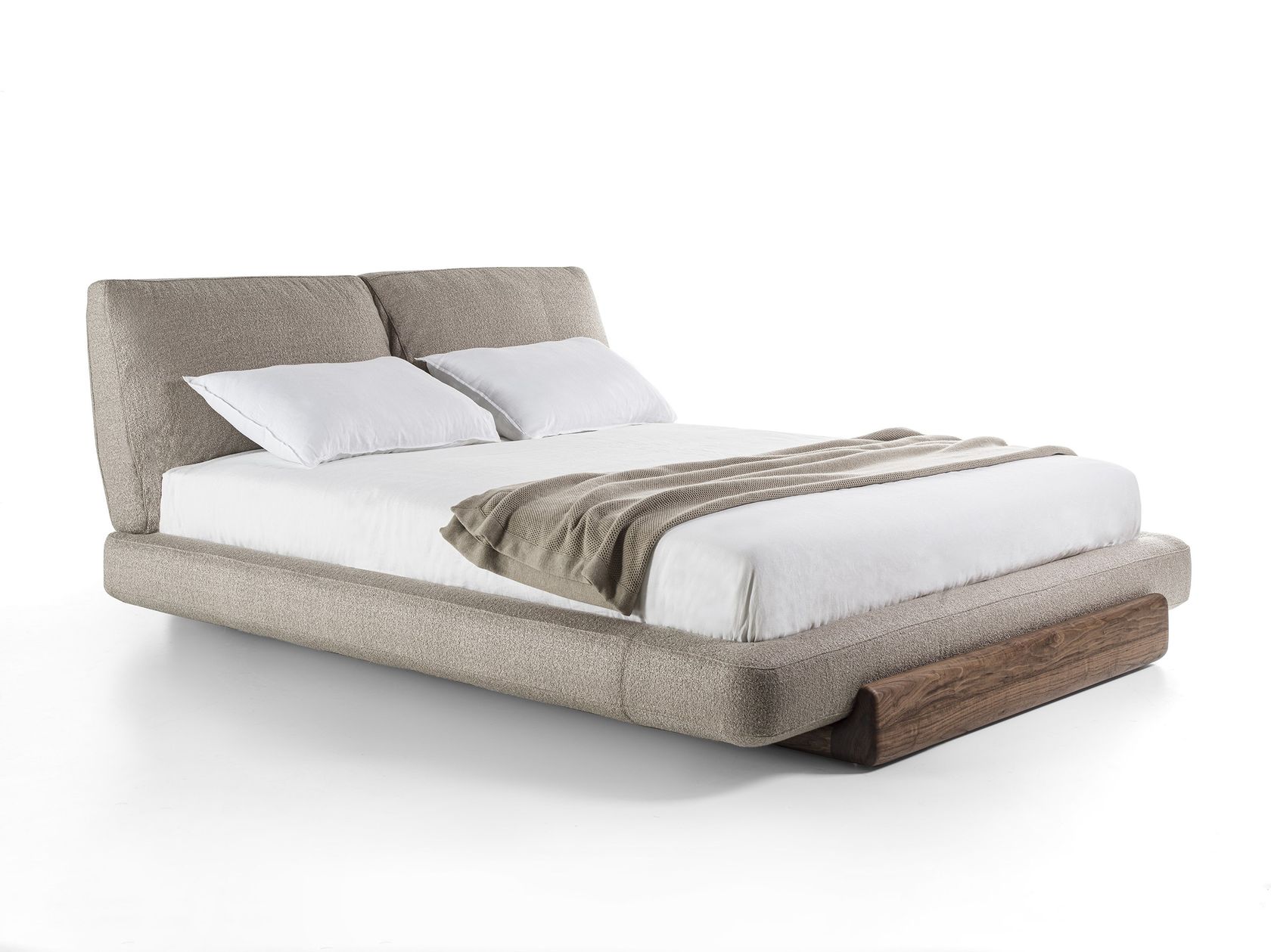
Bed combining a solid wood base that houses an upholstered bed frame, paired with an upholstered headboard with soft rounded lines.
Suiseki
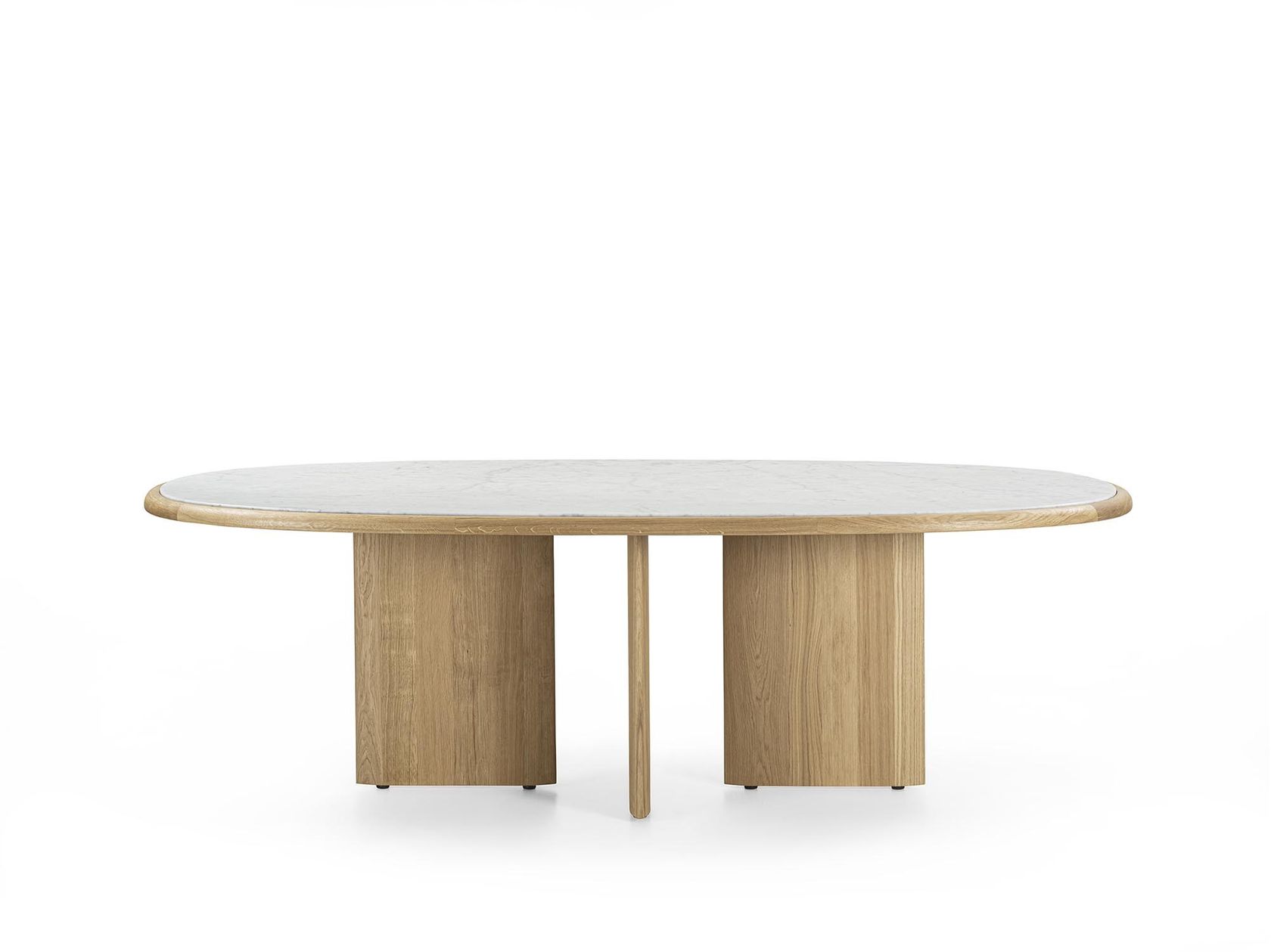
Table in solid wood with an oval top featuring a single-slab marble insert set within a solid wood frame, on a base of three orthogonally arranged solid wood legs.
Theory
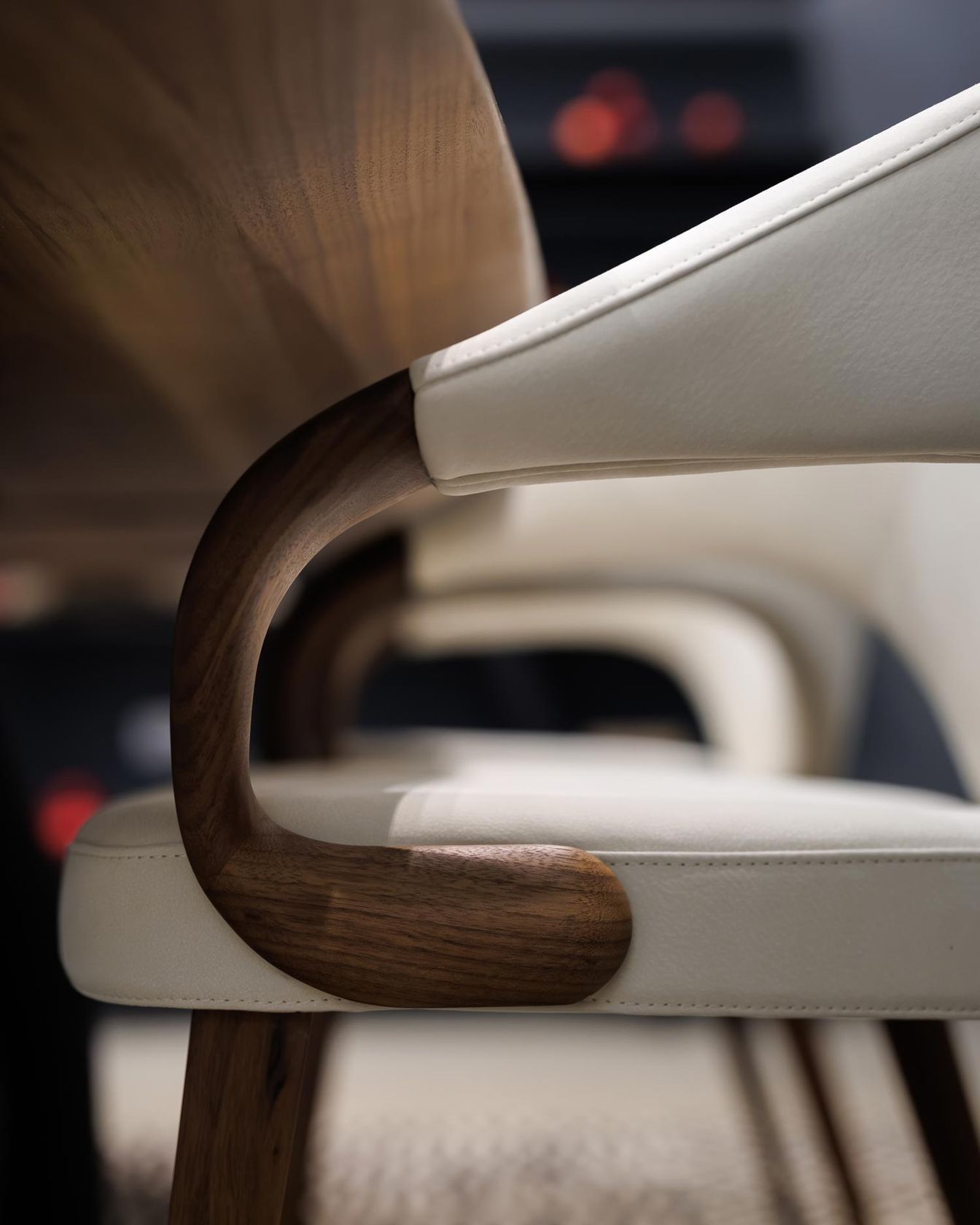
Elegant, enveloping armchair with solid wood legs and armrests, and seat and back covered in leather or fabric.
Torre Lignea
Bookshelf in a single block of scented cedar with a linear column design and staggered levels forming compartments, on a rotating base.
Venice Cedro
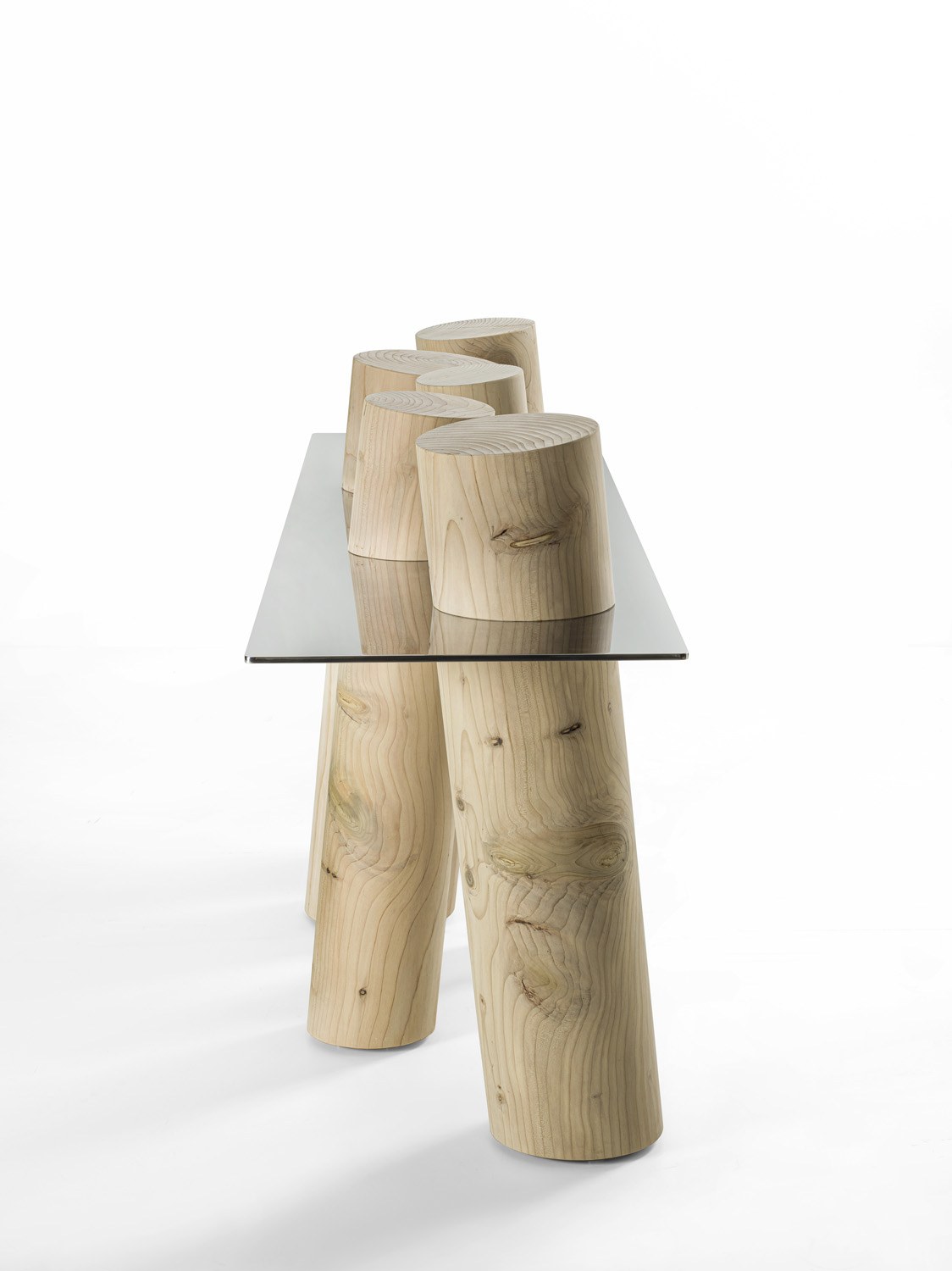
Console with a polished steel top, also available in extra-clear or smoked glass, combined with a series of posts in solid cedar wood.
Kauri
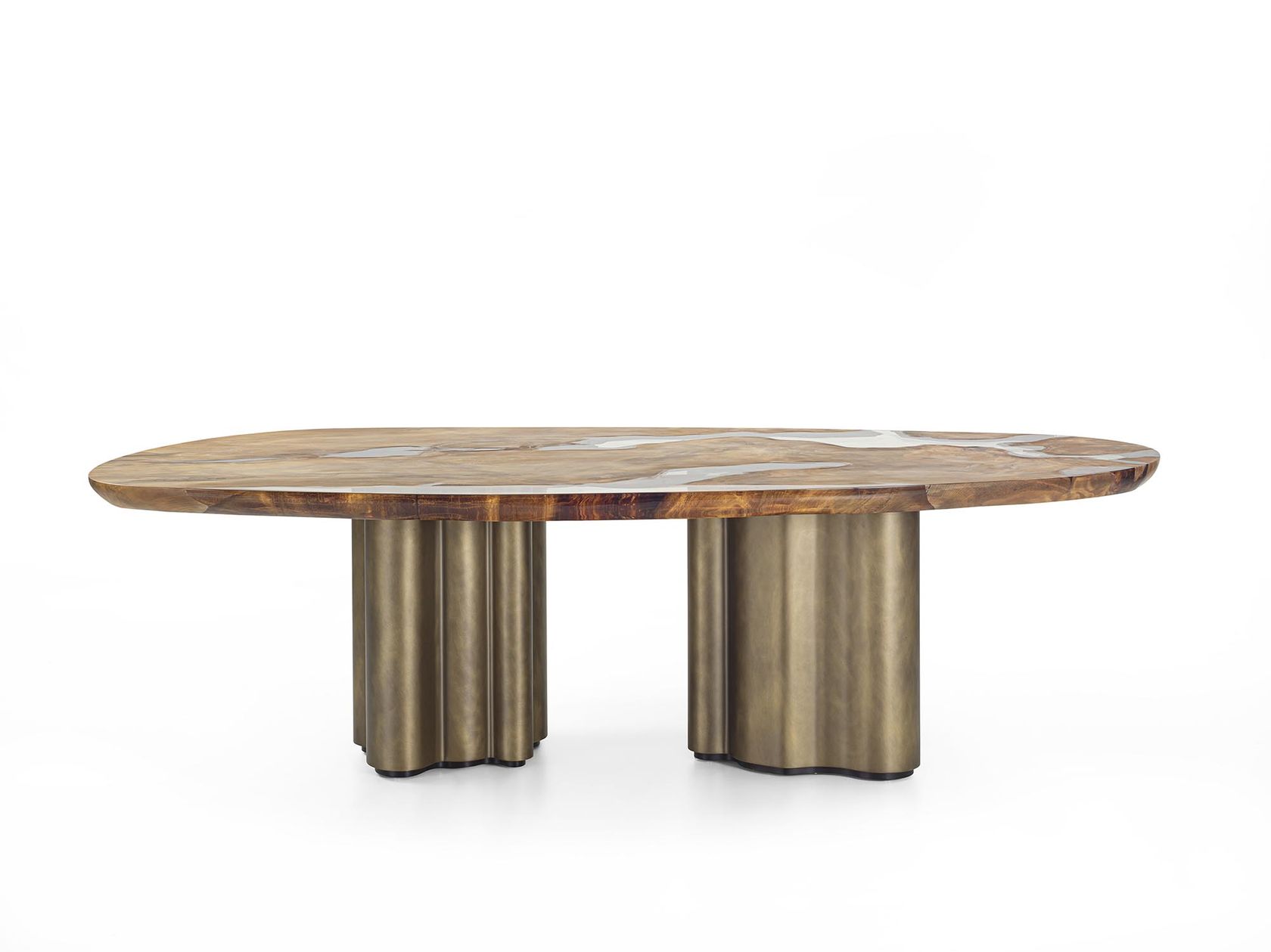
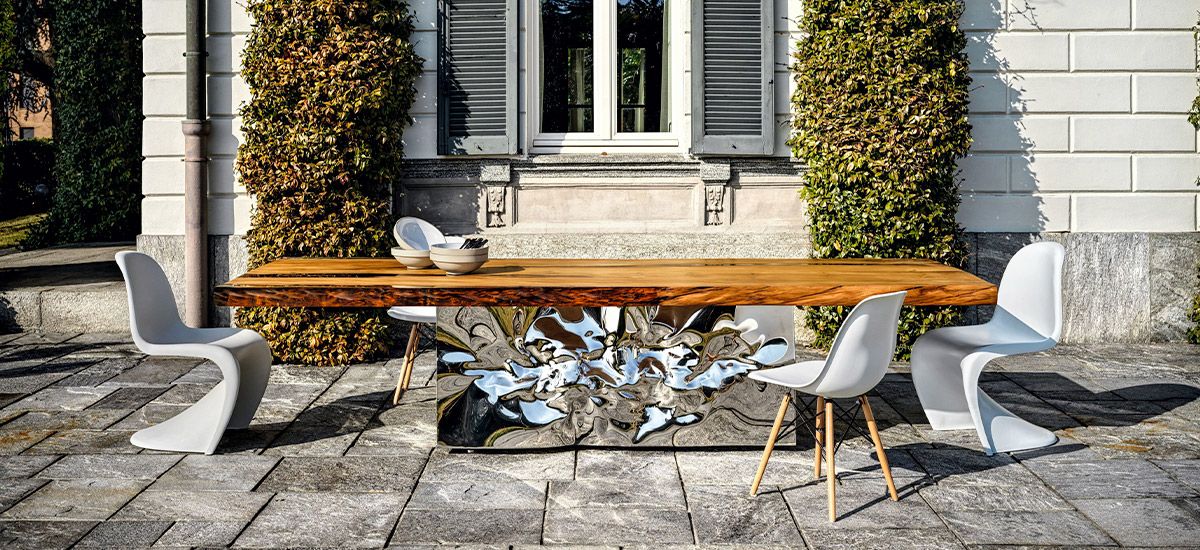
Solid Kauri wood, with designers including Renzo and Matteo PianoRiva 1920 introduced Kauri wood in 2000. The timber comes from giant trees recovered from the subtropical soils of New Zealand, where trunks have lain preserved for thousands of years; each table carries a certificate with carbon-14 dating. Single slabs can reach great lengths, so most pieces are unique, with the natural fissures often filled in clear resin.
Since its introduction the collection has been shaped by international designers, among them Renzo and Matteo Piano, Terry Dwan, Mario Botta and Helidon Xhixha. Customers can select planks directly from the company wood atelier in Cantù, choosing a natural finish or a resin treatment to read the grain.
What the pieces are made of.
Across its catalogue Riva 1920 works almost entirely in solid wood, finished with natural waxes and oils rather than synthetic lacquers. Signature materials include millennia-old Kauri recovered in New Zealand, oak Briccole reclaimed from the Venetian lagoon, Lebanese cedar and oak, each tied to a named collection rather than left general.
On every brand page these details stay factual and sourced. Collection names, designers and materials are checked against the maker before they go live.
Riva 1920, answered.
Where is Riva 1920 made?
Riva 1920 is based in Cantù, in the Brianza district of northern Italy, where it has its workshops and a wood atelier. The house has produced solid-wood furniture there since 1920.
When was Riva 1920 founded?
The workshop was founded in 1920 by Nino Romano in Cantù. It passed to Mario Riva in the 1940s and to Maurizio and Davide Riva in the late 1970s; it is now run by the fourth generation.
Who runs Riva 1920 today?
The company is led by Maurizio Riva, third generation, alongside his daughters Monica and Elena, who represent the fourth generation of the family.
What are Riva 1920's signature collections?
Among the best known are the Kauri tables in ancient New Zealand wood, the Briccole pieces in reclaimed Venetian oak, the Cedro collection in Lebanese cedar, and the Piano Design chair by Renzo and Matteo Piano.
What is Kauri wood?
Kauri is a wood recovered from giant trees that lay preserved for thousands of years in the soils of New Zealand. Riva 1920 introduced it in 2000 and supplies each table with a certificate carrying carbon-14 dating.
What are the Briccole?
Briccole are the wooden mooring posts that mark the channels of the Venetian lagoon. Riva 1920 reclaims the retired oak posts, marked by the water and by marine molluscs, and reworks them into furniture.
Which designers work with Riva 1920?
The house has collaborated with many architects and designers, among them Renzo Piano, Michele De Lucchi, Mario Botta, Philippe Starck, Piero Lissoni, Mario Bellini, Marc Sadler, Terry Dwan and Pininfarina.
What materials does Riva 1920 use?
Riva 1920 works in solid wood, including Kauri, reclaimed Briccole oak, Lebanese cedar and oak, finished with natural waxes and oils. Some collections pair the wood with metal or glass.
Is Riva 1920 available in the US?
Yes. Collections reach the US through authorised dealers, with lead times that vary by piece, timber and finish.
What is the Piano Design chair?
The Piano Design chair was designed by Renzo and Matteo Piano in 2007. It is carved entirely from solid wood, with no metal fittings, and is offered in several wood options alongside a matching table and bookshelf.
How should I care for Riva 1920 furniture?
The furniture is solid wood finished with natural oils and waxes. Follow the maker's piece-specific guidance; periodic re-oiling keeps the surface nourished, and resin-filled Kauri tops have their own care notes.
Can I buy from this site?
No. Premium Furniture is an independent editorial directory. We document the house and point you to the maker.